-1.png?width=3330&height=698&name=TGP%20International%20Logo%20White%20(1)-1.png "TGP International logo")
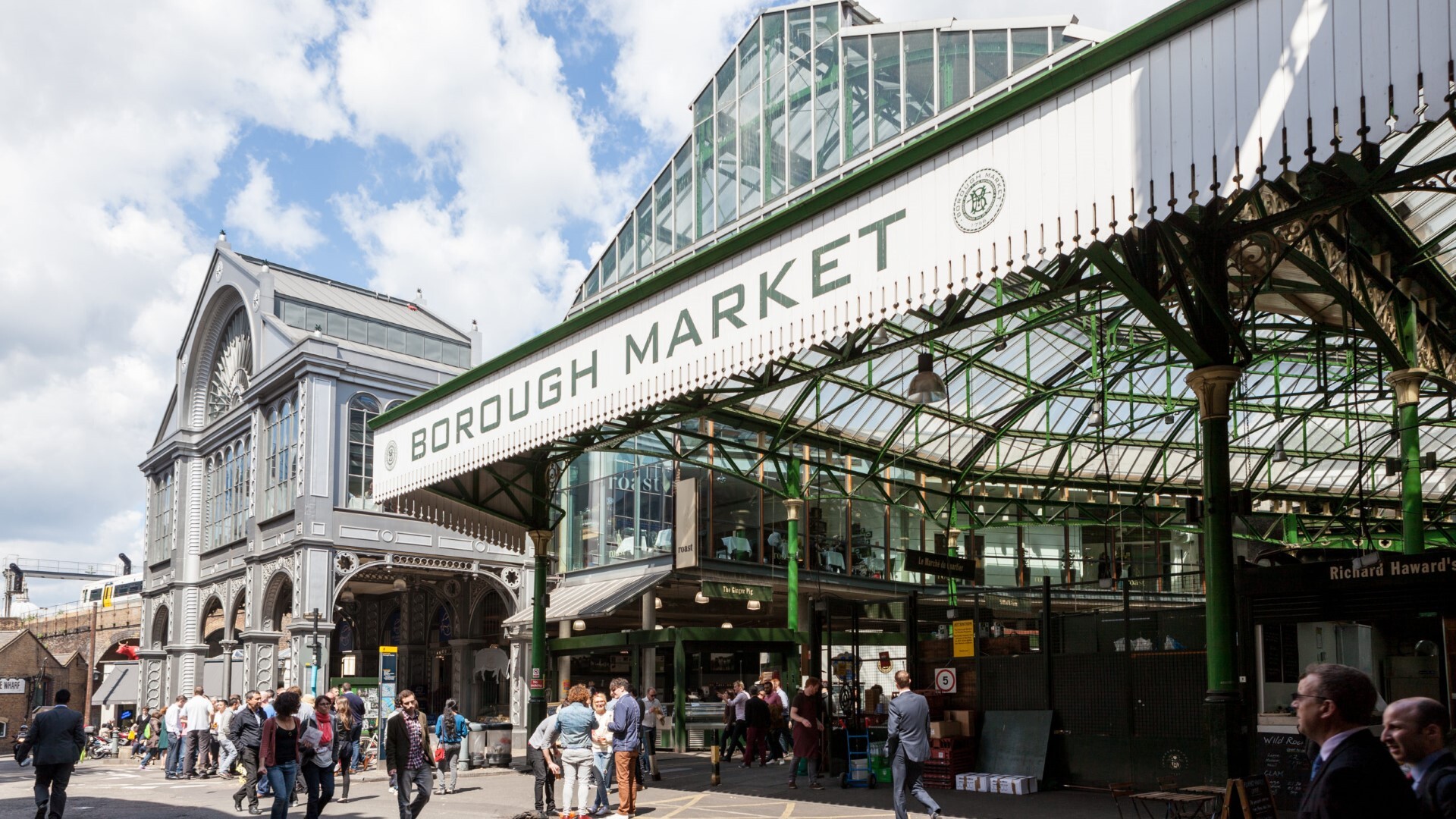
Food and beverage has become a central driver of value in development and mixed use projects. When planned well, it supports placemaking, strengthens leasing performance and shapes how people engage with a scheme throughout the day and into the evening. It moves a project beyond function, helping it operate as a destination in its own right.
For developers, landlords and asset managers, the challenge is not whether to include F&B, but how to make it work commercially and operationally over time. From scale and location to operator mix and long-term flexibility, the decisions made early on have a direct impact on performance.
As specialists in hospitality and placemaking, we are regularly asked how to approach F&B within modern developments. The questions tend to be consistent. Below, we address some of the most common, alongside our perspective on how to maximise value and create sustainable, high-performing environments.
How much F&B should be included within office and mixed-use developments to support both tenant demand and external footfall?

There is no universal ratio, as requirements vary depending on catchment, occupier profile and surrounding supply. The priority is to provide enough F&B to meet daily demand from tenants while creating sufficient draw to attract external visitors beyond core office hours.
Rather than maximising volume, the focus should be on balance. Too little F&B limits activation and weakens tenant appeal, while too much can fragment demand and impact operator performance. The most effective schemes support a full trading day, from breakfast through to evening, with a mix that encourages repeat use rather than one-off visits.
That said, industry reports and developer-led studies consistently point towards a growing allocation of space to hospitality within mixed-use environments, particularly as schemes shift towards more experience-led positioning. Research from JLL indicates that in many retail and mixed-use developments, around 30% of leasable space is now allocated to F&B,.
This proportion can increase significantly in schemes where F&B is positioned as a primary driver of footfall and identity, such as destination-led developments, lifestyle districts or projects with a strong evening economy focus, where hospitality plays a central role in attracting visitors beyond the core daytime audience.
Read More on Urban Regeneration
What proportion of GLA should be allocated to F&B versus retail and other uses?
The appropriate allocation depends on the type of development, its location and the role it is intended to play within the wider market. Factors such as surrounding supply, transport connectivity and target demographic all influence the right balance.
Historically, many schemes prioritised traditional retail as the primary ground floor use. However, as consumer behaviour has shifted towards more experience-led environments, the role of retail has evolved. In many cases, it now plays a supporting role alongside hospitality, which is often better placed to drive footfall, increase dwell time and activate the public realm.
Rather than applying fixed ratios, the more effective approach is to consider how each use contributes to overall performance. F&B tends to anchor activity and create reasons to visit and stay, while retail can complement this by providing convenience and additional spend opportunities. The allocation should reflect this relationship, ensuring the mix works as a cohesive ecosystem rather than a collection of independent uses.
In practice, this often results in a higher proportion of prime frontage being dedicated to hospitality, particularly in schemes where activation, placemaking and evening economy are key drivers of value.
Should F&B be concentrated in a single zone or distributed across a development?
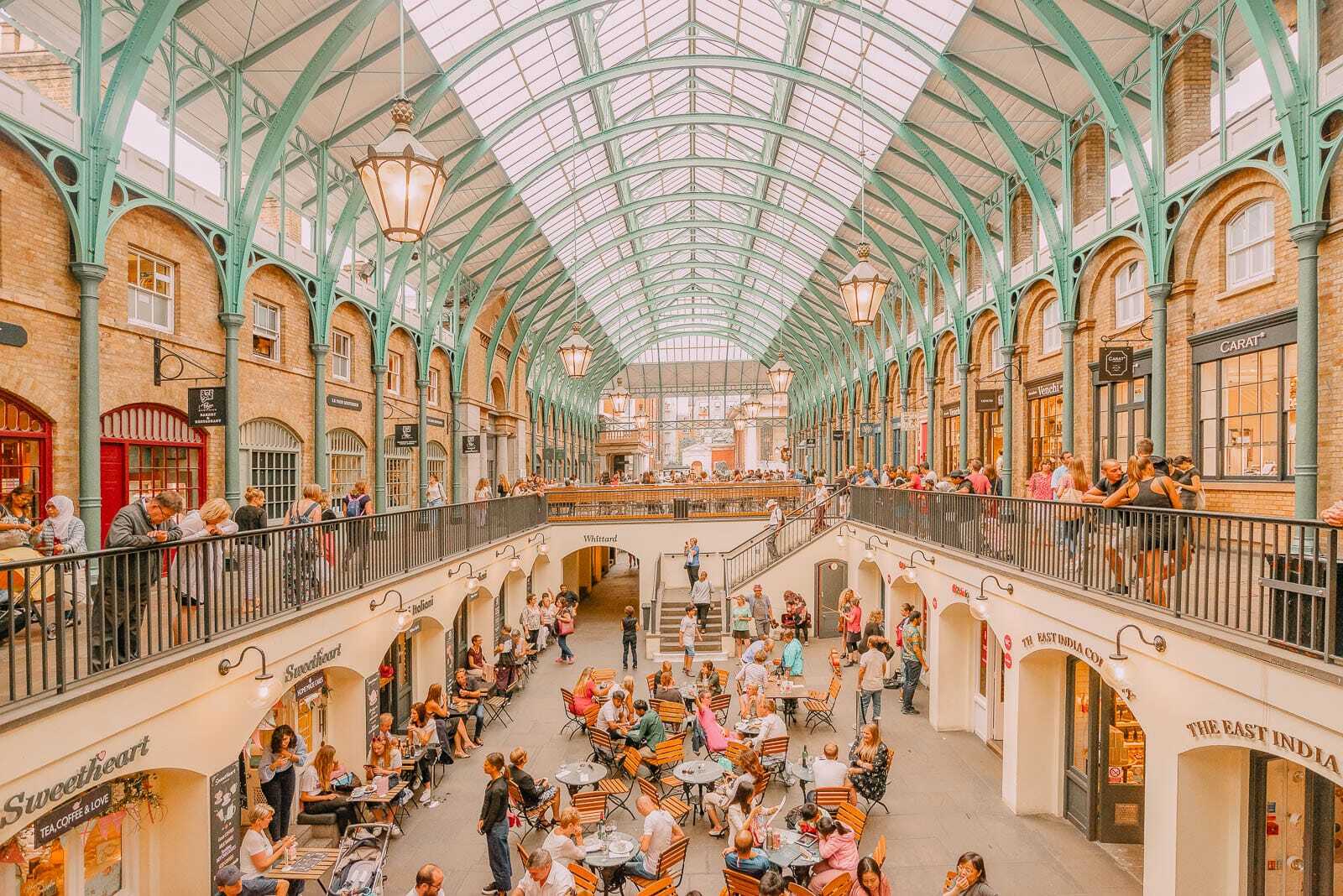
Both approaches can be effective when aligned with the scale and objectives of the scheme. Concentrated hospitality districts can create strong destination appeal, building energy and momentum that supports evening economy activity and social interaction. This is often most effective in larger urban developments where critical mass is needed to establish a clear point of attraction. Areas such as Covent Garden or Spitalfields Market demonstrate how clustering F&B can create a defined destination with consistent footfall across the day and into the evening.
Distributed hospitality, by contrast, supports day-to-day usability and helps activate multiple parts of a scheme. This approach is particularly relevant in office-led or campus-style developments, where convenience and accessibility are key to serving occupiers throughout the day. Smaller cafés, kiosks and grab-and-go formats positioned across an estate can improve flow and reduce pressure on central areas.
In practice, many of the most successful developments adopt a hybrid approach. A centralised cluster provides identity and destination appeal, while a network of smaller, well-placed offers supports daily demand across the wider scheme. The balance between the two should reflect how people are expected to move through and use the development over time.
How early should F&B be considered within the design and masterplanning process?
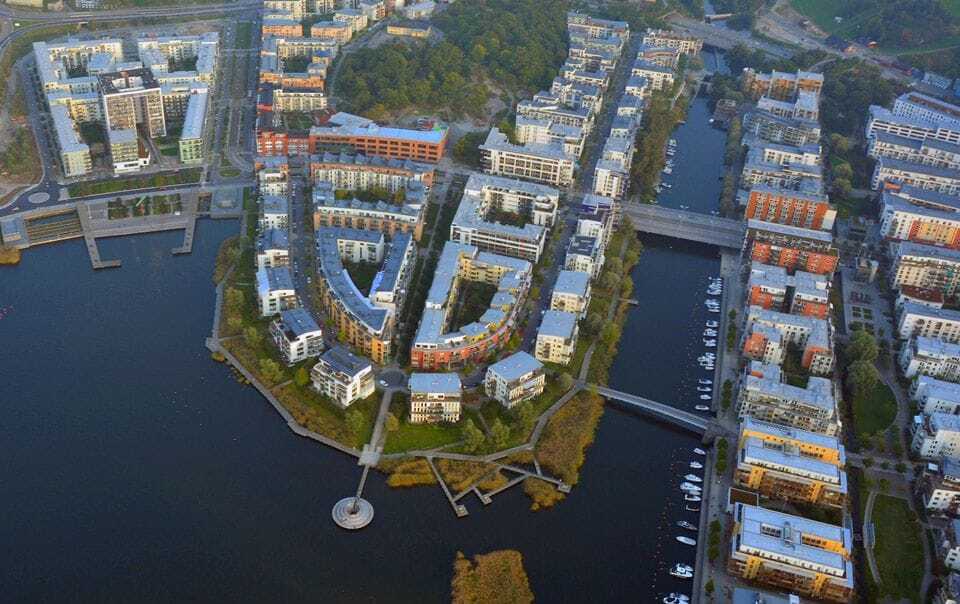
F&B should be considered from the earliest stages of design and masterplanning. When introduced later in the process, it is often forced into spaces that were not designed to support it, leading to operational inefficiencies, limited flexibility and, in some cases, unlettable units.
Hospitality places specific technical demands on a building. Requirements such as extraction, servicing, waste management, delivery access, utilities, acoustics and customer flow need to be resolved early to ensure units are commercially viable and capable of supporting a range of operators over time. Retrofitting these elements is typically complex and costly.
There is also an increasing expectation for developments to meet broader lifestyle and workplace demands. Research from Cushman & Wakefield indicates that 61% of developers are redesigning real estate strategies around flexible environments that integrate work, leisure, hospitality and community. In this context, F&B is not a secondary layer but a core component of how space is planned and experienced.
Where hospitality is expected to contribute to wellness and placemaking goals through aspects such as air quality, natural light, material selection, acoustic comfort and access to outdoor space, these considerations need to be embedded early. Retrofitting these elements later can add cost, limit what is achievable and prevent spaces from reaching their full potential.
Early integration allows F&B to play a more deliberate role in shaping the scheme. It can inform how ground floors are activated, how people move through the space and how the public realm is experienced. When planned properly from the outset, hospitality becomes part of the structure of the development, rather than an overlay added later.
How does F&B contribute to overall asset value and leasing performance?
F&B has a direct impact on leasing performance, tenant retention and overall asset positioning. High-quality hospitality is increasingly part of occupiers’ decision-making, particularly as expectations shift towards amenity-rich environments that support both work and social interaction.
This is reflected in wider market activity. Research from firms such as Colliers highlights the growing role of food and beverage in leasing demand, particularly across cities such as London where hospitality operators are actively expanding and competing for well-located space. As a result, developments with a strong F&B offer are often better placed to attract tenants and drive leasing momentum.
There is also a clear link between experience-led environments and asset value. Research from JLL indicates that properties located within mixed-use, lifestyle-led districts can achieve rental premiums of up to 30% or more, reflecting the value placed on amenity, activation and overall quality of place.
Beyond leasing, well-curated F&B drives footfall, increases dwell time and supports repeat visitation, all of which strengthen the commercial ecosystem of a scheme. It also plays a key role in shaping perception, helping developments feel active, relevant and connected to their surroundings.
For investors and asset managers, this translates into more resilient performance. Developments that successfully integrate hospitality tend to benefit from stronger leasing velocity, improved tenant satisfaction and a more defensible long-term position as experience and amenity become central to how real estate is valued.
Explore Our Management F&B & Masterplanning Services
Is it better to prioritise high-rent operators or concepts that drive footfall and dwell time?
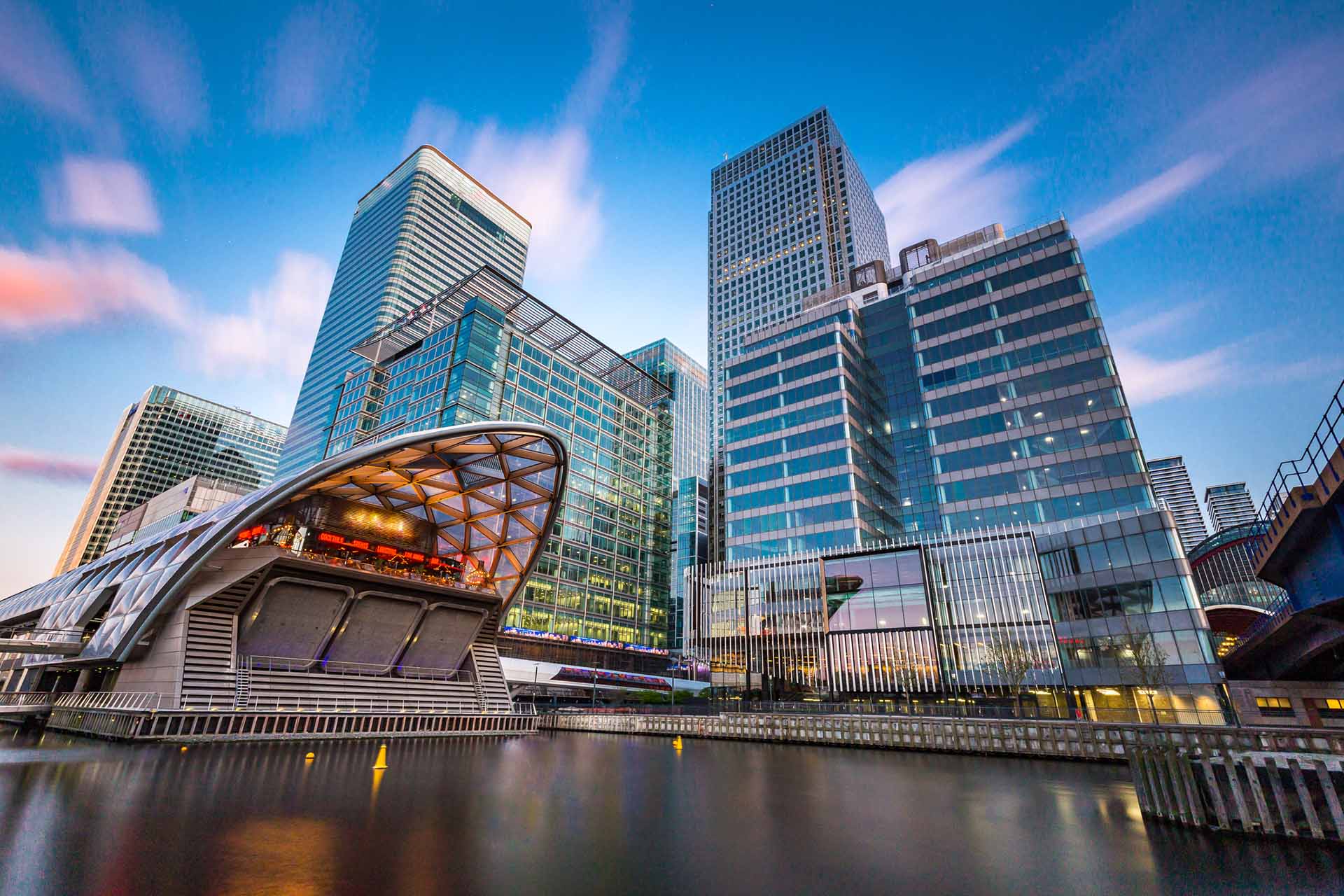
The strongest developments rarely optimise purely for headline rental income. While high-rent operators may enhance short-term returns, they are not always the businesses that generate the greatest long-term value for a scheme.
Operators that create destination appeal, increase dwell time and encourage repeat visitation often have a wider impact beyond their own unit. They contribute to footfall across the scheme, support neighbouring tenants and help establish a stronger overall identity. In many cases, a concept with slightly lower rent but stronger customer appeal can elevate surrounding units and improve performance at an asset level.
This is particularly evident in formats such as food halls. While they often require higher upfront investment, including design, infrastructure and operator curation, they can deliver significant long-term value through flexibility, footfall generation and the ability to evolve over time. A well-executed food hall can anchor a development, support multiple operators under one roof and adapt its offer in line with changing consumer demand, making it a resilient and commercially effective model.
More broadly, this dynamic is especially relevant in mixed-use environments, where the performance of individual units is interconnected. A well-curated hospitality offer can influence leasing across retail, office and residential components, reinforcing the development as a place people choose to spend time, not just pass through.
The most effective strategies balance covenant strength with contribution to place. The objective is not simply to maximise rent on individual units, but to build a mix that supports sustained demand, consistent footfall and long-term asset performance.
Curating the right hospitality mix requires a clear understanding of the catchment, customer demographics and the intended positioning of the scheme. A successful line-up should support a range of dayparts and customer behaviours, while avoiding excessive overlap that can dilute demand and impact the performance of individual operators.
Most developments will typically benefit from a combination of convenience-led concepts, cafés, quick service, casual dining and a smaller number of destination offers, all selected to complement one another. However, the mix can vary significantly depending on stakeholder objectives, local context and the role the development is intended to play. The objective is to create a balanced ecosystem where each operator fulfils a defined role within the wider customer journey, rather than competing for the same occasion.
Beyond commercial performance, curation also shapes identity and relevance. Integrating local operators and emerging brands can help anchor a development in its context, support local business ecosystems and create a stronger sense of authenticity. This is often where schemes differentiate, particularly when compared to more standardised, brand-led environments.
F&B also contributes to the social function of a scheme. Well-curated hospitality creates spaces for interaction, community and informal gathering, which are increasingly important within mixed-use environments. This has a direct link to ESG considerations, particularly around social value, local engagement and long-term place quality. Supporting independent operators, enabling local talent and creating inclusive, accessible environments can all contribute to these broader objectives.
Strong curation also requires an understanding of local competition, operational realities and future market direction. The most effective mixes are those that can evolve over time, allowing for changes in operator line-up and concept refreshes while maintaining a coherent overall identity.
The strongest operators are highly selective and assess opportunities holistically rather than purely through rental terms. For developers, this means the ability to attract quality operators is shaped as much by the strength of the overall proposition as it is by the deal itself.
A clear vision for the scheme is essential. Operators want to understand how the development will perform, who it is targeting and how F&B fits within the wider mix. Confidence in fundamentals such as footfall, demographic alignment, accessibility and visibility remains critical, but these need to be supported by a coherent strategy that demonstrates long-term trading potential.
Placemaking also plays an increasing role in operator decision-making. Developments that prioritise public realm, create a sense of destination and support strong customer experience are often more attractive than those offering space in isolation. This is particularly important for brands that rely on dwell time, atmosphere and repeat visitation.
Developers can further strengthen their position through early engagement and a more collaborative approach. Engaging operators during the design and planning stages allows for better alignment on unit configuration, operational requirements and concept fit. Flexibility in deal structure, alongside clear and consistent communication, can also improve leasing outcomes and help establish stronger, longer-term partnerships.
Operators assess opportunities through a combination of commercial potential and operational viability. Both need to align for a site to be considered credible.
From a commercial perspective, key factors include footfall quality rather than just volume, visibility, frontage, local demographics and the level of surrounding competition. Operators will also assess how demand changes across the day, ensuring there is sufficient trade to support their concept across key trading periods. Increasingly, they look at the wider tenant mix and overall positioning of the development to understand whether it will support sustained performance over time.
Operational fundamentals are equally critical. Delivery access, extraction capability, servicing arrangements, utilities, storage and the overall functionality of the unit can determine whether a concept is viable in practice. Even strong locations can be ruled out if the space cannot support efficient operations or meet brand standards.
Ultimately, operators are looking for alignment. A technically strong unit in the wrong environment will often underperform, while a well-positioned site within a coherent, well-curated scheme can significantly enhance performance. The decision is rarely based on a single factor, but on how well the location, unit and wider development work together to support long-term trade.
Read More on Destination Dining as a Real Estate Strategy
What lease structures work best for F&B tenants and how can risk be shared?
Hospitality leasing structures have evolved significantly in recent years, with greater emphasis on flexibility and alignment between landlords and operators. Traditional fixed-rent models still play a role, but are increasingly complemented by structures that better reflect trading realities and support long-term sustainability.
In practice, many developments now incorporate turnover-linked elements, stepped rents, rent-free periods or landlord contributions to fit-out. These approaches recognise that F&B operators typically require time to build awareness and establish consistent trade, particularly within new or evolving schemes.
The appropriate structure will vary depending on the maturity of the development, the strength of the location and the type of operator. Early-stage or placemaking-led schemes may require more flexible, supportive terms to attract the right mix, while more established destinations can often sustain stronger base rents.
The objective is to create stable, high-performing occupancy rather than maximise short-term rental income at the expense of long-term viability. Leasing structures that share risk more effectively tend to result in stronger operator performance, lower vacancy rates and a more resilient asset over time.
Learn About Our Management F&B & Masterplanning Services
How should F&B be managed over time to ensure long-term performance?
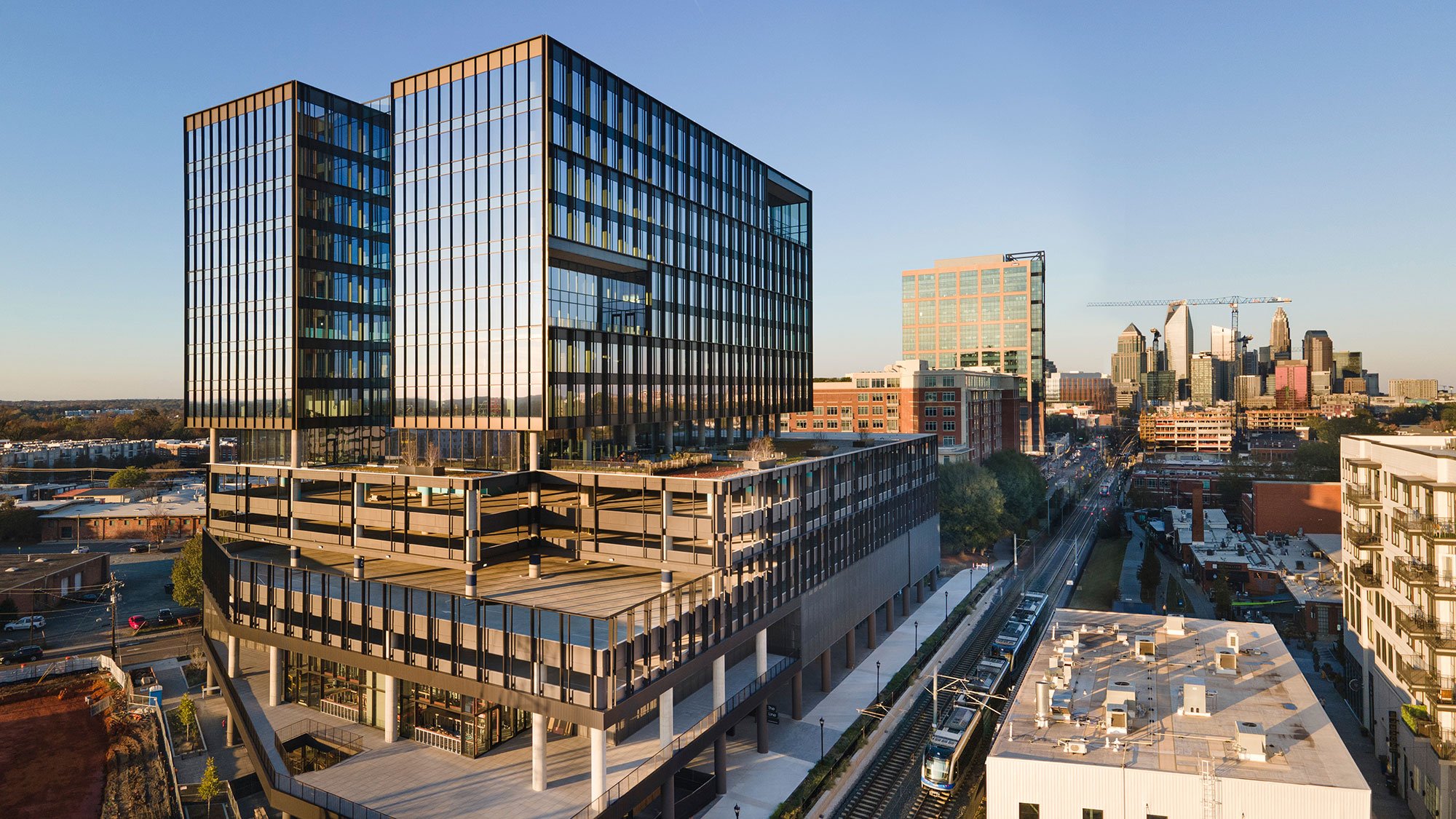
Securing the right operators is only part of the process. Long-term performance depends on how actively F&B is managed once a development is operational.
This starts with maintaining clarity around the role each operator plays within the wider scheme. Over time, performance should be reviewed not only at an individual unit level, but in terms of how the overall mix is functioning. Adjustments to operator line-up, positioning or format may be required as demand evolves.
Active placemaking is also critical. Events, programming and seasonal activation help sustain footfall and keep the offer relevant, particularly in mixed-use environments where patterns of use can shift throughout the year.
Successful developments treat F&B as a dynamic ecosystem rather than a fixed tenant mix. Ongoing asset management, combined with the flexibility to adapt, is what ultimately protects performance and supports long-term value.
How should F&B be designed to adapt over time as developments evolve
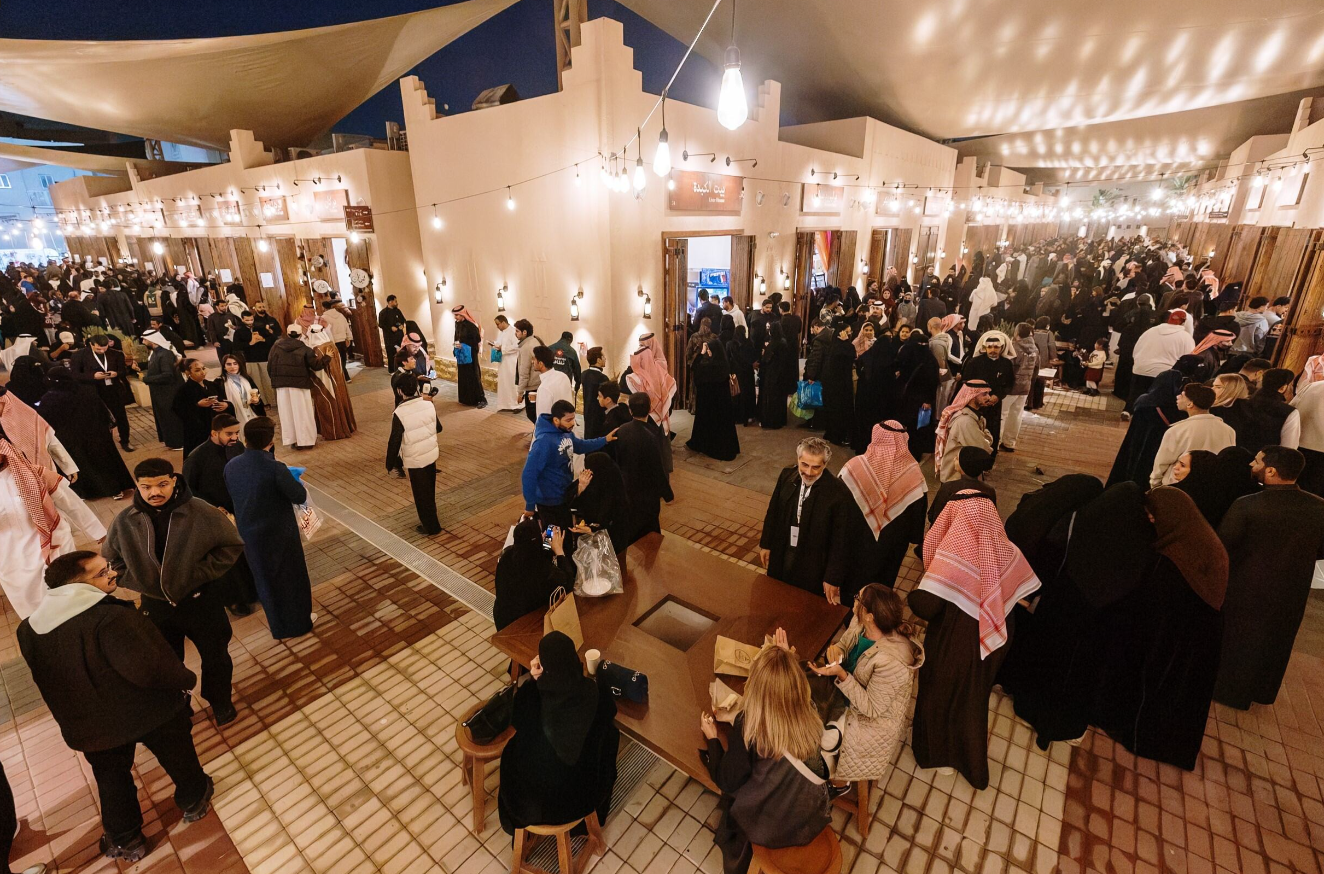
F&B strategies should be designed with change in mind. Customer behaviour, operator performance and market conditions will all shift over time, and developments need the flexibility to respond without requiring major redesign.
This starts at a physical level. Unit sizes, servicing infrastructure and back-of-house planning should allow for reconfiguration where needed, whether that is combining spaces, subdividing units or introducing new formats. Developments that are too rigid often struggle to maintain relevance as demand changes.
Flexibility is also important at an operational level. Operator mixes will evolve, concepts will need refreshing and new formats may emerge. Schemes that allow for this, through adaptable leasing structures and active asset management, tend to perform more consistently over the long term.
The most successful developments treat F&B as a living part of the asset rather than a fixed tenant mix. Designing for adaptability from the outset helps protect performance, extend lifecycle relevance and reduce the need for disruptive or costly repositioning later.
Final Thoughts
F&B now plays a defining role in how development and mixed-use schemes perform, shaping not only how spaces are used, but how they are perceived and valued over time. It influences leasing, supports occupier demand and contributes directly to the identity and commercial resilience of an asset.
The most successful developments approach hospitality with clarity and intent from the outset. They understand the role F&B is expected to play, align it with the wider positioning of the scheme and ensure it is supported through design, leasing and ongoing management.
There is no single formula. The right strategy will vary depending on context, scale and stakeholder objectives. What remains consistent is the need to think beyond individual units and consider how F&B functions as part of a wider ecosystem.
When planned, curated and managed effectively, F&B moves far beyond amenity. It becomes a driver of activation, a tool for differentiation and a core component of long-term value creation.
