-1.png?width=3330&height=698&name=TGP%20International%20Logo%20White%20(1)-1.png "TGP International logo")
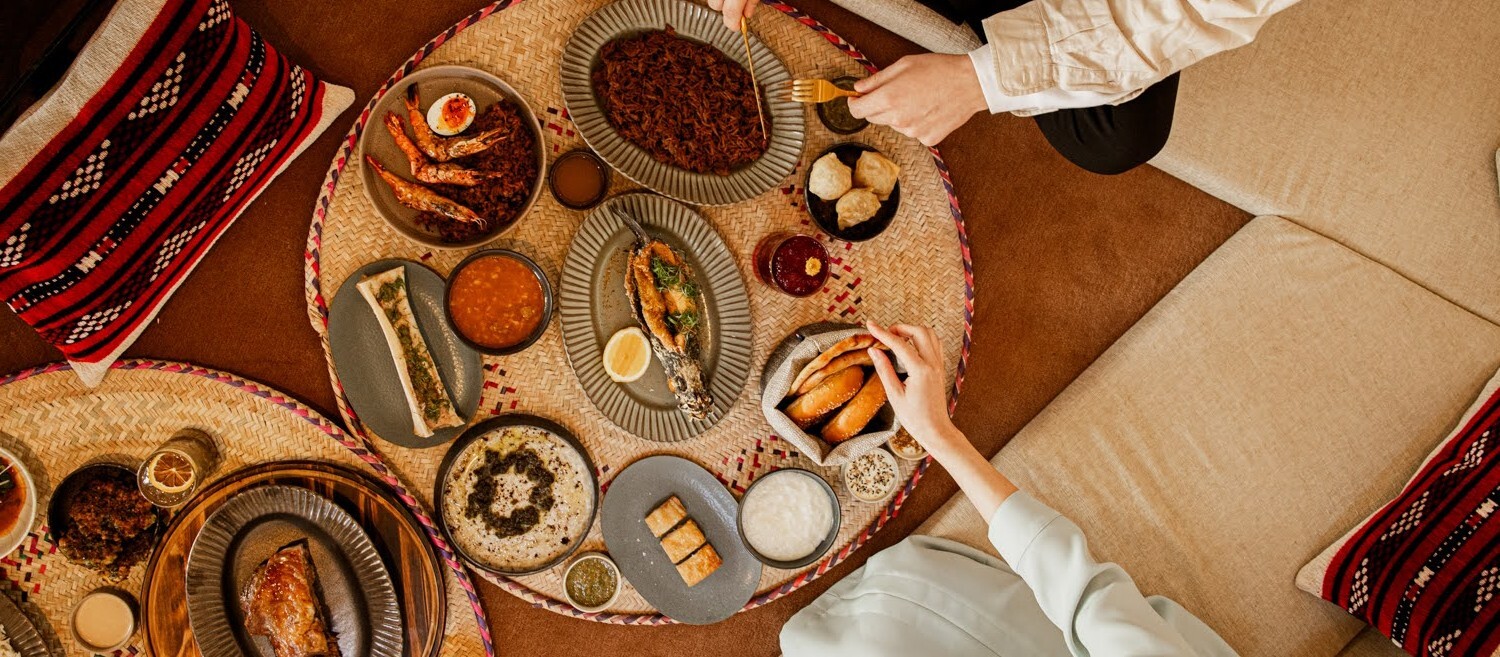
Gastro tourism can be seen in how destinations build their food identity, how cities use dining to activate neighbourhoods and how operators translate culture into experiences that resonate with both local and international audiences.
Rather than a single defined discipline, it is a convergence of cultural, economic and operational systems working together. As a result, there is no universally accepted framework for how it should be developed or delivered, and its meaning varies depending on who is shaping it.
In practice, this leads to a range of interpretations. For tourism boards, gastro tourism is typically positioned as a tool for national branding and visitor attraction, using cuisine to communicate identity and differentiate in a competitive global market.
For developers and city planners, it becomes part of placemaking strategy, where food and beverage environments are used to activate space, drive footfall and extend dwell time. And for operators and chefs, it is expressed through menus, sourcing and storytelling, often grounded in regional heritage or contemporary reinterpretation.
While these perspectives are connected, they are not always aligned. In some cases, gastro tourism is rooted in local ecosystems, shaped by producers, communities and long-standing culinary traditions. In others, it is more curated, designed to translate culture into formats that are accessible, scalable and commercially viable for international audiences.
WHY GASTRO TOURISM MATTERS TO CITIES AND COUNTRIES
As global destinations compete for attention, identity has become a defining factor in tourism strategy. Cities and countries are no longer judged only by landmarks or infrastructure but by cultural experience. And food sits at the centre of this.
Gastro tourism, also referred to as culinary tourism or food tourism, is not a single, fixed discipline but a convergence of cultural, economic, and operational systems. It can be seen in how destinations build their food identity, how cities use dining to activate neighbourhoods, and how operators translate culture into experiences that resonate with both local and international audiences. This multi-layered nature is what makes it such a powerful tool in shaping perception and engagement.
Investing in food and beverage is therefore an investment in national identity. For tourism boards, it becomes a mechanism for branding and global differentiation. For developers and city planners, it plays a role in placemaking and urban activation. And for operators, it is expressed through menus, sourcing, and storytelling. Together, these perspectives shape how a destination is experienced, how long visitors stay, and how deeply they connect with culture.
This is why governments, tourism boards, and developers are increasingly using food-led experiences as part of wider destination strategies.
FOOD HALLS AS CULTURAL INFRASTRUCTURE
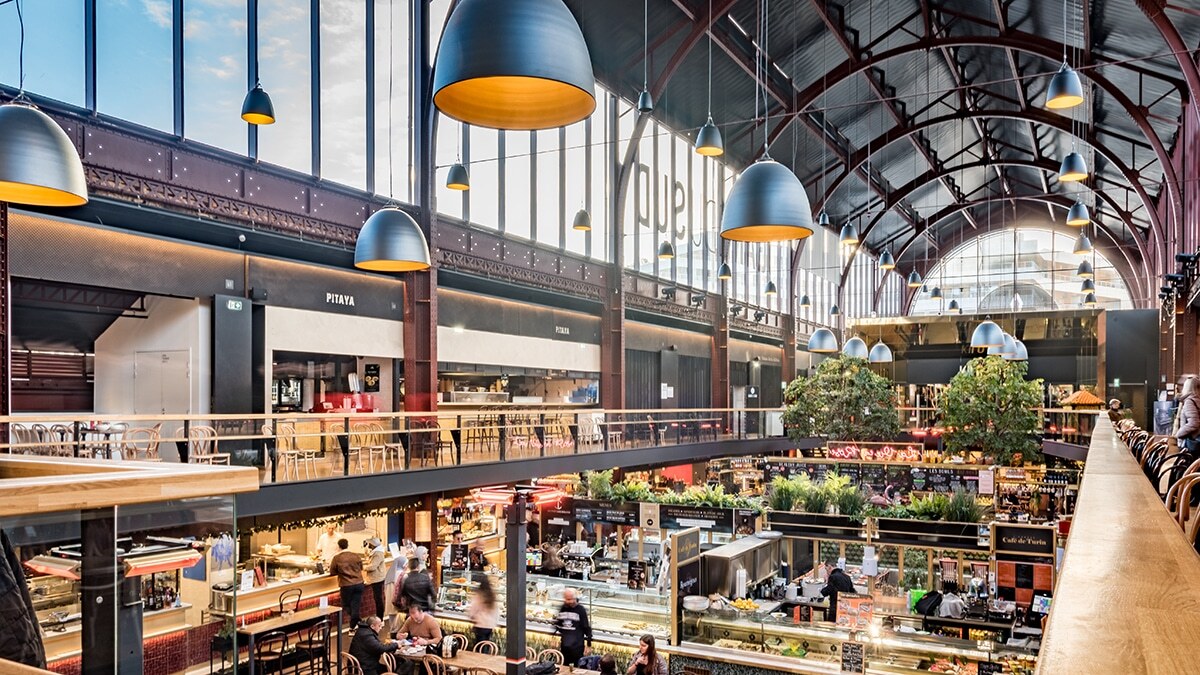
Food halls have become one of the most visible expressions of gastro tourism in practice, particularly at the intersection of cultural storytelling and commercial viability.
Cities such as Lisbon and concepts like Time Out Market demonstrate how curated culinary spaces can act as cultural infrastructure. They bring together chefs, producers, and brands under one roof to showcase a concentrated expression of a city’s identity, aligning with how tourism bodies seek to present cuisine as a national asset, while also fulfilling developers’ goals of driving footfall and activating space.
These environments are not simply commercial developments. They are platforms where cultural, economic, and operational systems converge, supporting talent development, enabling diverse food offerings, and creating immersive, experience-led destinations. For operators, they provide a stage to interpret and present culinary identity in ways that are both authentic and accessible.
ALKEBULAN: REDEFINING AFRICAN CULINARY STORYTELLING
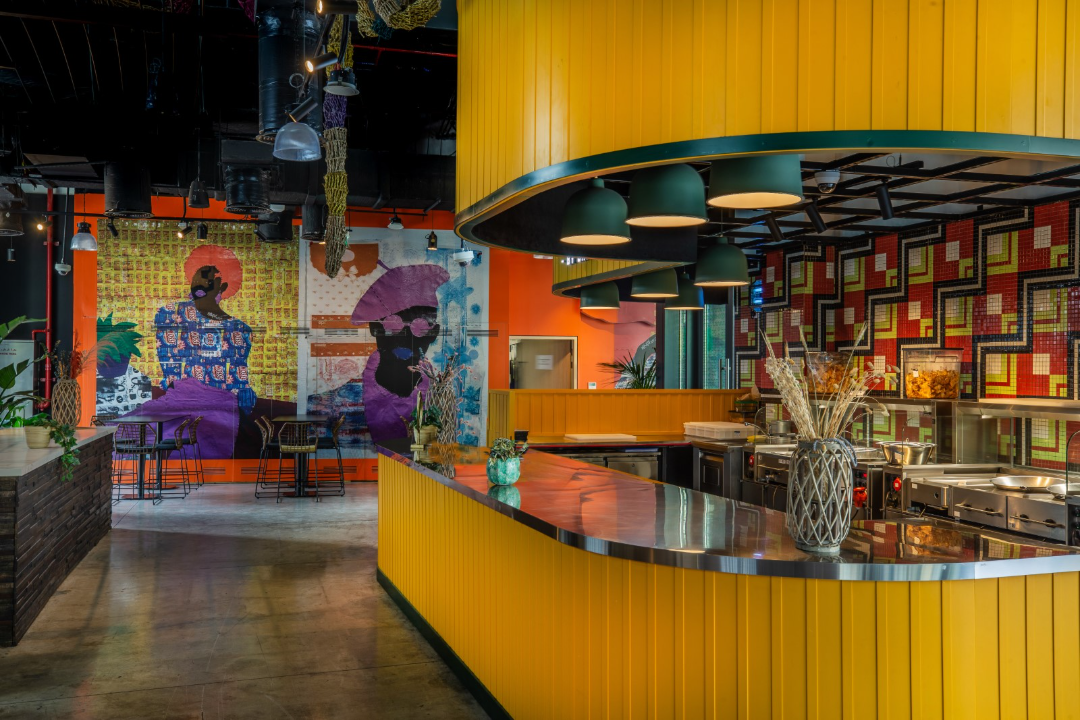
A strong reflection of this in practice was our delivery of Alkebulan at Expo 2020 Dubai, a global stage for culture and F&B, where the concept evolved into far more than a dining destination. Conceived as the world’s first African dining hall of its kind, Alkebulan became an engaging platform for celebrating the richness and diversity of African cuisine, bringing together regional flavours, talent and stories in a way that resonated with both local and international audiences.
Developed in collaboration with chef Alexander Smalls, Alkebulan was conceived as more than a food hall. It brought together cultural narrative, commercial strategy, and operational delivery to create an immersive destination where food, music, design, and storytelling collectively expressed pan-African identity.
TGP International played a key role in shaping Alkebulan’s concept, brand identity, and operational strategy. The objective was to create a platform that aligned with how tourism initiatives present culture, how developers structure destinations, and how chefs and operators communicate heritage through food.
Inspired by the ancestral African village, Alkebulan was designed as a gathering space rooted in community and exchange. Spanning 2,400 square metres, it brought together ten chef-led concepts, each representing different regional influences while operating within a unified framework.
Each concept was distinct yet interconnected, demonstrating how diverse culinary identities can coexist within a single destination. The space combined textured interiors, artisanal materials, and cultural motifs to create an environment where dining became an act of cultural engagement rather than a transactional experience.
Alkebulan also functioned as a multi-purpose cultural hub, hosting live music, performances, and events. This ability to evolve throughout the day reflects the operational dimension of gastro tourism, where programming, flexibility, and experience design are as important as the food itself.
Read More About Alkebulan Here
SAUDI CUISINE ON THE GLOBAL STAGE AT EXPO OSAKA
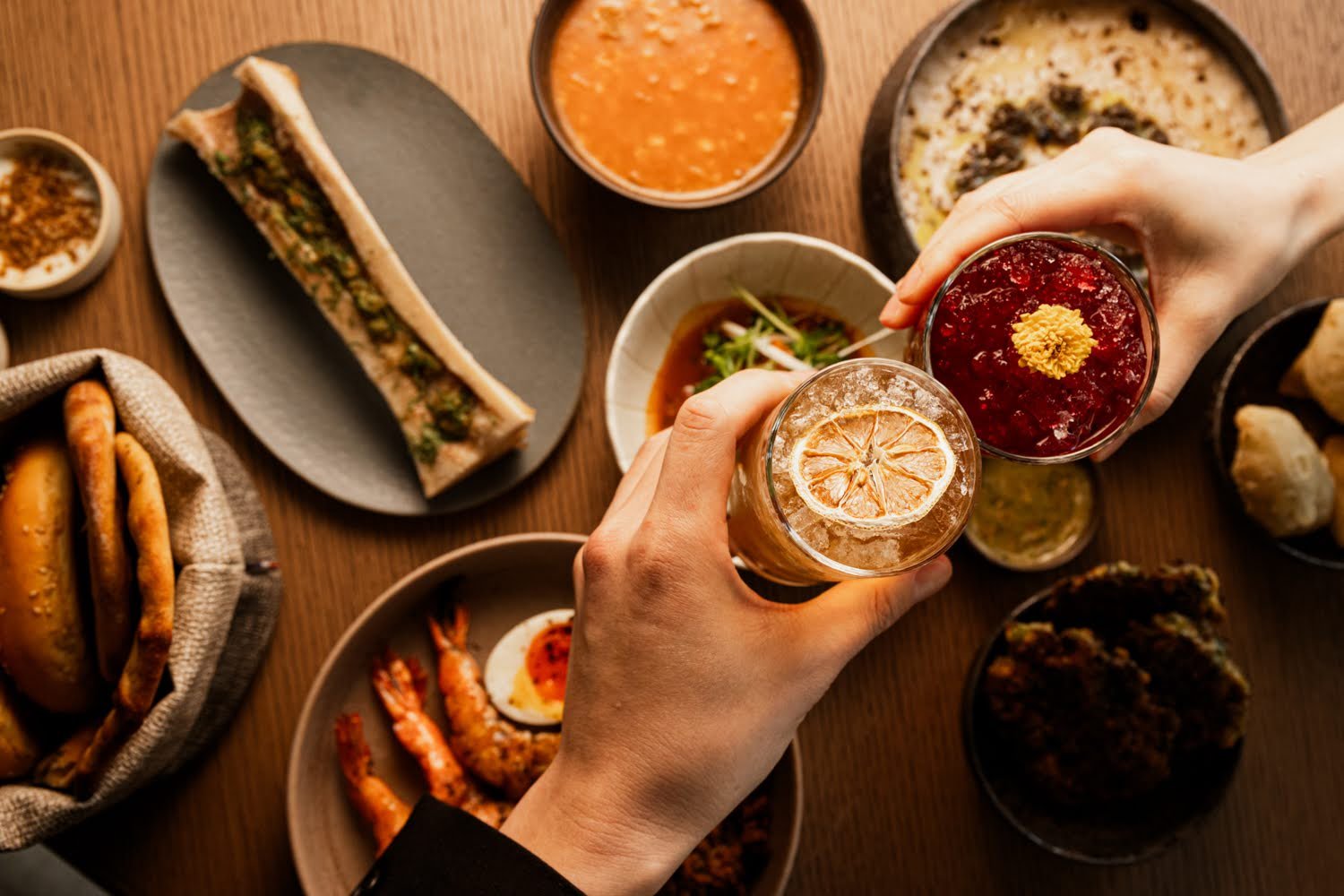
Gastro tourism plays a critical role in how nations position themselves internationally, particularly on high-profile global platforms such as World Expos.
A recent example is TGP International’s work at Expo 2025 Osaka, where we led the development and operation of Irth Saudi Restaurant and Café within the Saudi Pavilion. In this context, gastro tourism operated clearly as a national branding tool, aligned with the perspective of tourism boards seeking to communicate identity to a global audience.
The Pavilion welcomed millions of visitors, and Irth became a central expression of Saudi culture through food. Our role spanned concept development, guest journey mapping, menu direction, supply chain strategy, training, and full operational delivery in partnership with the Saudi Ministry of Culture.
Irth was designed to represent the five regions of Saudi Arabia through cuisine that balanced authenticity with accessibility. Every dish was developed with cultural context, allowing guests to understand origin, ingredients, and meaning, reinforcing the role of operators in translating heritage into experience.
At the same time, the project reflected the operational complexity of gastro tourism at scale. The dual-format restaurant and café required precise planning to manage high volumes while maintaining quality and consistency. Logistics, sourcing, and compliance across international markets further highlighted how economic and operational systems underpin cultural expression.
The result was not simply a dining venue, but a fully integrated cultural platform, demonstrating how gastro tourism can function simultaneously as storytelling, infrastructure, and strategy.
HOW GASTRO TOURISM BECOMES DESTINATION STRATEGY
Projects like Alkebulan and Irth illustrate how gastro tourism operates across multiple layers. They show that food is not only about hospitality, but about how cultural identity is structured, delivered, and experienced. This influence extends beyond global events into environments such as stadiums and entertainment complexes, where a diverse and engaging F&B offering can significantly shape how a city or nation is perceived, transforming these venues into cultural touchpoints that communicate identity at scale.
For tourism boards, it offers a way to define and promote national identity. For developers, it provides tools to activate space and create commercially viable destinations. For operators, it becomes a medium for storytelling and cultural interpretation.
When these elements are aligned, food moves beyond being an amenity and becomes infrastructure, shaping perception, driving engagement, and influencing how destinations are understood globally.
TGP INTERNATIONAL AND GASTRO TOURISM ADVISORY
At TGP International, we approach gastro tourism as an integrated system rather than a standalone concept. Our work connects cultural narrative with commercial strategy and operational delivery to ensure that food and beverage is both meaningful and scalable.
We collaborate with governments, tourism authorities, and developers to create strategies that reflect the different dimensions of gastro tourism, from national branding and placemaking to on-the-ground execution.
As part of this our work spans destination F&B strategy, concept development, operational design, and large-scale cultural hospitality projects. This includes national programmes such as our ongoing work in Ireland, where we are supporting hotel restaurants through research, trend insight, and industry mentoring, aligning local culinary identity with consistent, high-quality delivery.
Across all projects, the objective remains the same: to ensure that food and beverage is not treated as a secondary layer of hospitality, but as a defining component of how a place is experienced and understood.
THE FUTURE OF GASTRO TOURISM
Gastro tourism is no longer a niche trend. It is a dynamic, evolving framework shaped by multiple stakeholders and interpretations.
Travellers are increasingly seeking experiences that offer authenticity, cultural depth, and a strong sense of place. In response, destinations must consider food not in isolation, but as part of a wider system that includes design, infrastructure, storytelling, and operations.
The destinations that succeed will be those that recognise gastro tourism as a convergence, where cultural identity, economic strategy, and operational excellence come together to create meaningful and memorable experiences.
At TGP International, we see gastro tourism as a form of storytelling at scale. When executed effectively, it does more than serve food, it defines how a place is perceived, experienced, and remembered.
