-1.png?width=3330&height=698&name=TGP%20International%20Logo%20White%20(1)-1.png "TGP International logo")
-1.webp)
Heritage is often treated as a form of positioning in its own right, signalling quality, trust and longevity. But in many instances it has been relied upon too heavily, with brands maintaining familiar formats, menus and environments on the assumption that recognition alone will continue to drive relevance.
In restaurants, hotels and the wider F&B landscape, this approach is increasingly under pressure. Guests now arrive with expectations shaped by a far broader set of experiences across hospitality, retail and culture. They are more selective, more informed and less willing to accept legacy at face value.
While heritage still carries weight, its role has changed. It now provides context and credibility rather than acting as the primary draw. And the challenge for operators is to translate that foundation into a concept that feels current, coherent and commercially viable today, rather than expecting history to do that work on its own.
Key Takeaways
- Heritage provides context and credibility, not positioning
- Recognition alone does not sustain demand
- Guest expectations are shaped beyond hospitality
- Relevance must be actively constructed
- Repositioning requires reinterpretation, not replication
Explore Our Advisory Services for Hotels and Restaurants
Reframing Heritage for a Contemporary Audience
.jpg?width=2200&height=1467&name=02_Helena-%20(1).jpg)
A recurring challenge for heritage brands is the gap between what they stand for and what they actually deliver. Identity is often well established, built over time through product, service and cultural association. The difficulty lies in how that is carried through today, and whether it still holds up across the full guest experience.
In some cases, brands hold too closely to legacy formats. Menus remain unchanged, environments feel dated and service models continue to reflect a different era of dining. What was once distinctive becomes predictable, and over time, less engaging.
In others, the shift moves too far in the opposite direction. Changes are introduced without a clear connection to the original identity, resulting in concepts that feel inconsistent or diluted. Recognition may remain, but it is no longer supported by a coherent experience.
The more effective approach sits between these two extremes. Stronger operators define what should remain constant, often rooted in brand origins, product quality, core dishes or service ethos, and where change is required to maintain relevance. This thinking is then applied consistently across the concept, from menu and pricing to design, service and operations.
What distinguishes successful repositioning is not the scale of change, but the clarity behind it. Identity is maintained through deliberate choices and execution.
Case Study – The Sloane Club
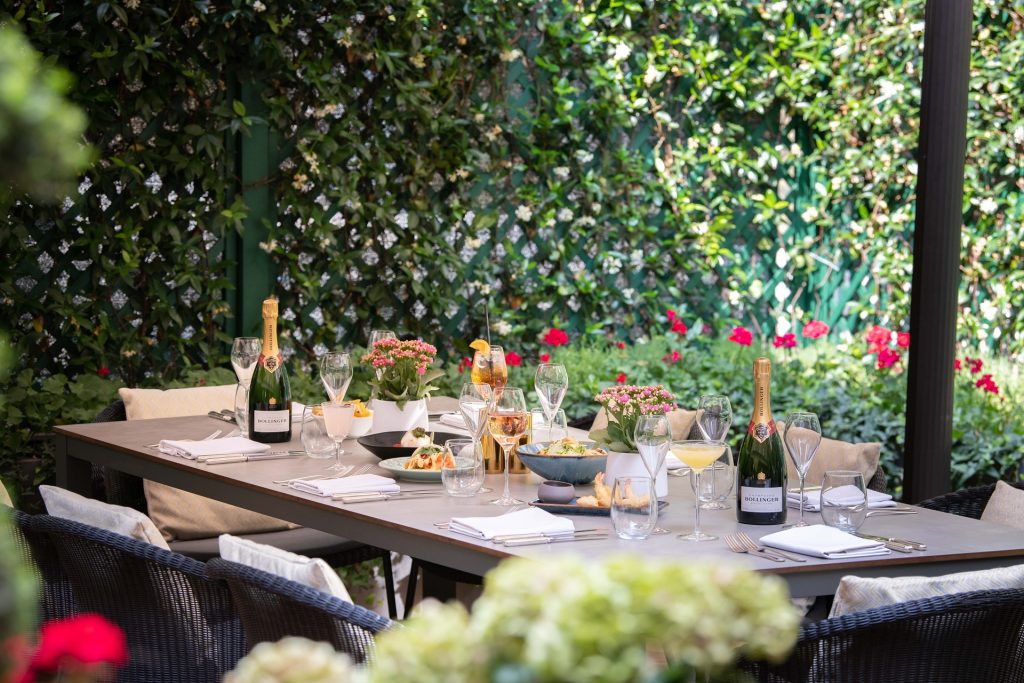
The recent repositioning of The Sloane Club provides a perfect example of this approach in practice. A long-established institution with a strong and recognisable identity, it has been reframed through a more contemporary lens that reflects how people engage with the club today.
The process focused on adjusting how the brand is experienced, rather than redefining it entirely. Not removing the old but finding a way for it to work with the new in a way that was harmonious.
Spatial language, positioning and the overall structure of the venue’s F&B concepts were reconsidered to ensure the Club remained legible and relevant in a current context, while still retaining the characteristics that define its identity.
Central to this was the development of a clearer framework across the offer. Each outlet was positioned with a distinct role, ensuring that the overall experience felt coherent rather than fragmented, and that different spaces could respond to evolving patterns of use.
As Neena Jivraj Stevenson, Managing Director of The Sloane Club, notes:
“Every part of the transformation needed to feel intentional, not only in design but in how the brand communicates across its spaces. TGP helped us take a step back and build a clear framework that defined how each outlet fits within the wider Club ecosystem.”
This approach reflects a broader principle. Reframing legacy is less about introducing new elements, and more about ensuring that each part of the experience works together to express the brand in a way that feels current, coherent and commercially relevant.
Read The Sloane Club Case Study
Relevance Is Defined by the Guest
Relevance is often defined internally, through brand positioning, concept and target audience. In reality, it is decided by how guests respond, whether they choose to visit, how long they stay, what they spend and whether they return.
This puts the focus on how a concept performs in its immediate context. Location, nearby competition and local expectations all shape perception. A format that works in one market may need adjusting in another, from pricing and menu structure to service style and atmosphere.
For operators, this means taking a more practical approach to expansion and repositioning. The core identity can remain consistent, but the way it shows up on the ground needs to reflect the local market, whether through offer, layout, tone or price point.
The concepts that perform best are those that stay clear on what they are, while making the right adjustments in how they operate day to day, maintaining relevance without losing their original intent.
Case Study – TEN11
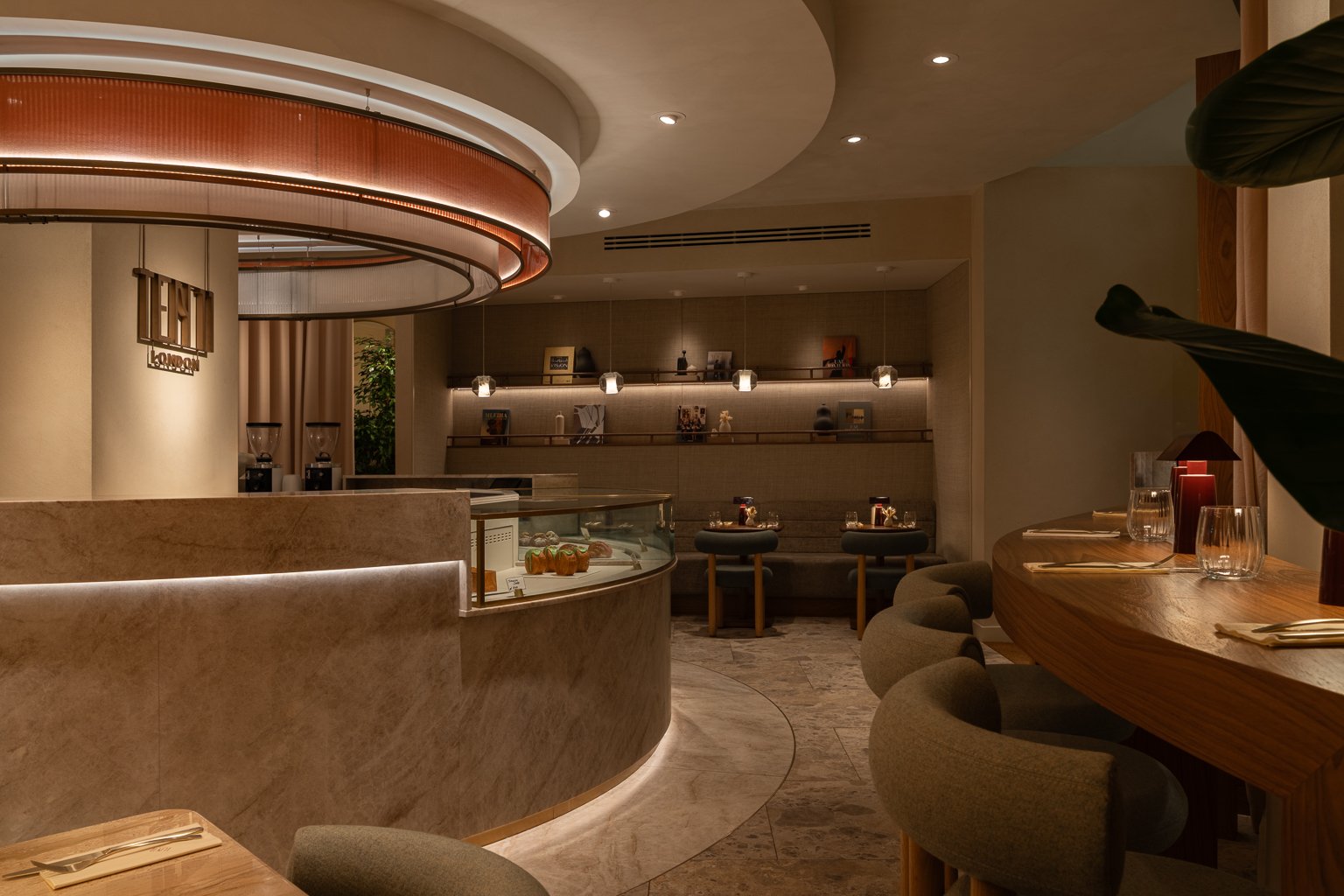
Originally developed in Abu Dhabi as a home-grown all-day coffee and dining concept, TEN11 develop a strong local following through quality, familiarity and a clear sense of place.
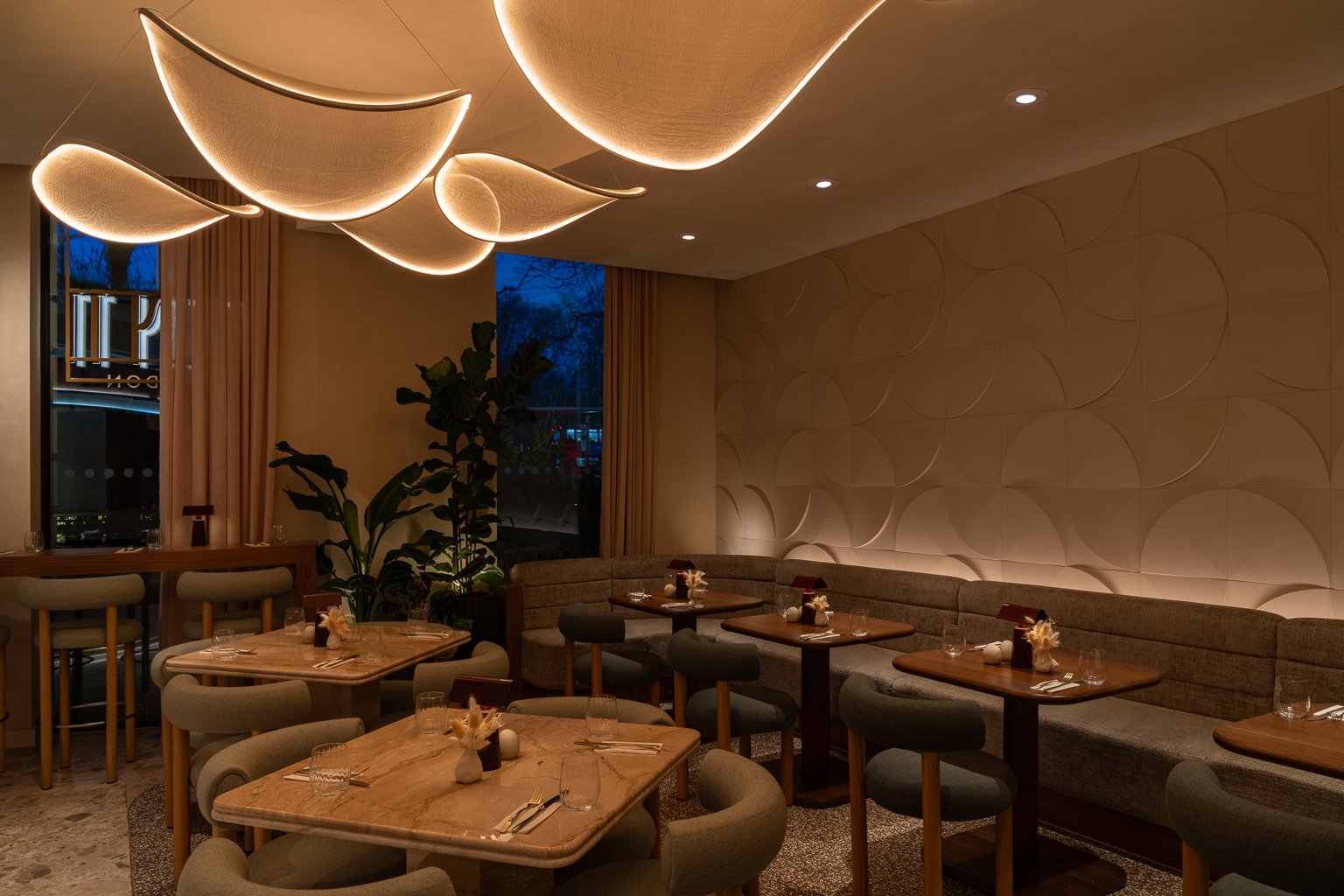
Its expansion into London introduced a different context, with a more design-led and competitive café culture. The focus shifted towards translating the brand into a flagship format that could operate within this environment, where spatial experience, atmosphere and positioning play a more defining role in how concepts are perceived.
Rather than redefining the brand, the approach centred on adapting how it is expressed. The core elements of the concept were retained, while the overall experience was elevated to align with a more premium, globally oriented audience.
Read the Full TEN11 Case Study
Evolving the Format Without Losing the Core
Not all repositioning requires a change in positioning. In many cases, the underlying identity of a heritage brand remains relevant, while the format through which it is experienced needs to evolve.
This is particularly evident in environments where consumer behaviour has become more fluid, with guests expecting greater flexibility, visibility and interaction throughout the experience.
This places greater emphasis on how the brand is structured in space. Layout, flow and points of engagement influence how customers move through the environment, how long they stay and how they interact with the offer. Formats that were once transactional or linear are increasingly being reworked to support a more open and adaptable journey.
For operators, this approach allows the brand to respond to current behaviour without altering its core identity. The focus is on reconfiguring how the experience unfolds, rather than redefining what the brand stands for.
Case Study – Diplomat Sweets
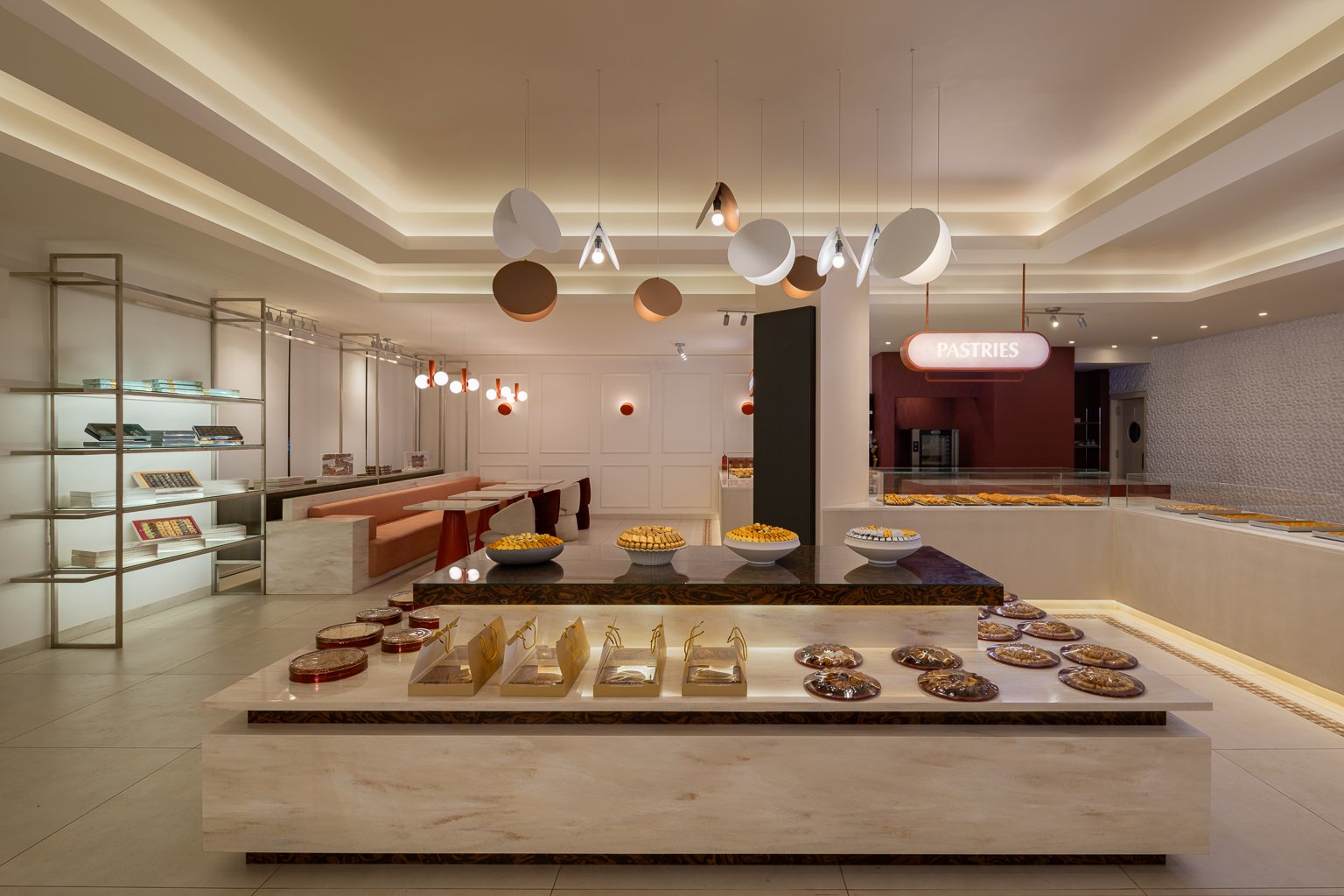
Diplomat Sweets is a well-established Saudi brand with strong recognition across the region and an identity rooted in traditional products, familiarity and cultural association.
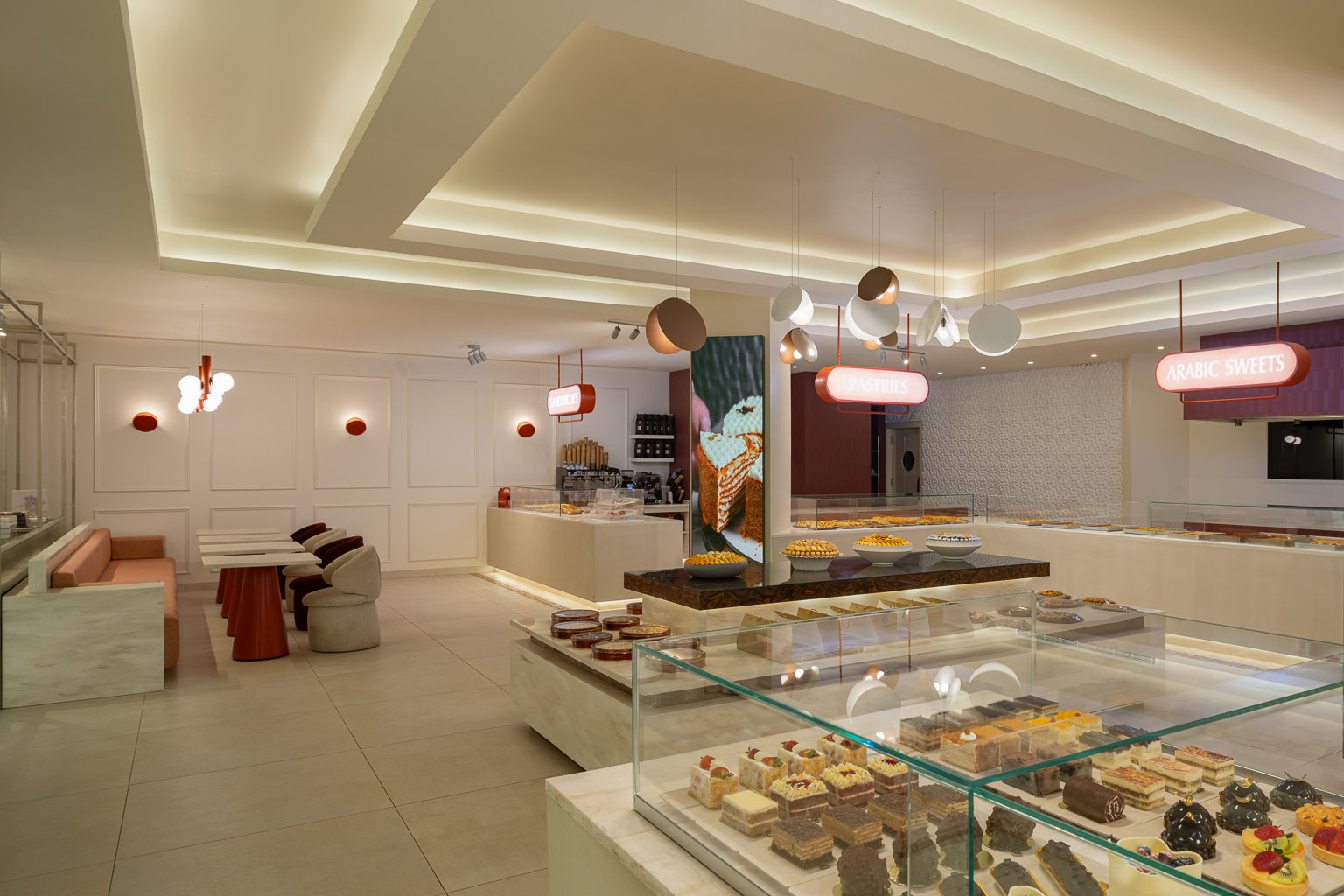
The brand’s repositioning the redevelopment of its flagship store in Riyadh focused on how this identity is experienced in a contemporary context. The format was restructured to create a more open and engaging environment, introducing elements that encourage exploration and interaction rather than a purely transactional journey.
The design brings production and display closer to the customer, increasing visibility and reinforcing product authenticity, while the layout supports a more fluid movement through the space. This creates multiple points of engagement—from food hall style stations to cafe area—encouraging longer dwell time and a more considered interaction with the brand.
Crucially, the core identity remains intact. Products, visual cues and brand associations continue to anchor the experience, ensuring that the evolution extends the brand rather than diluting it.
Read the Full Diplomat Sweets Case Study
Form Legacy to Long Term Relevance
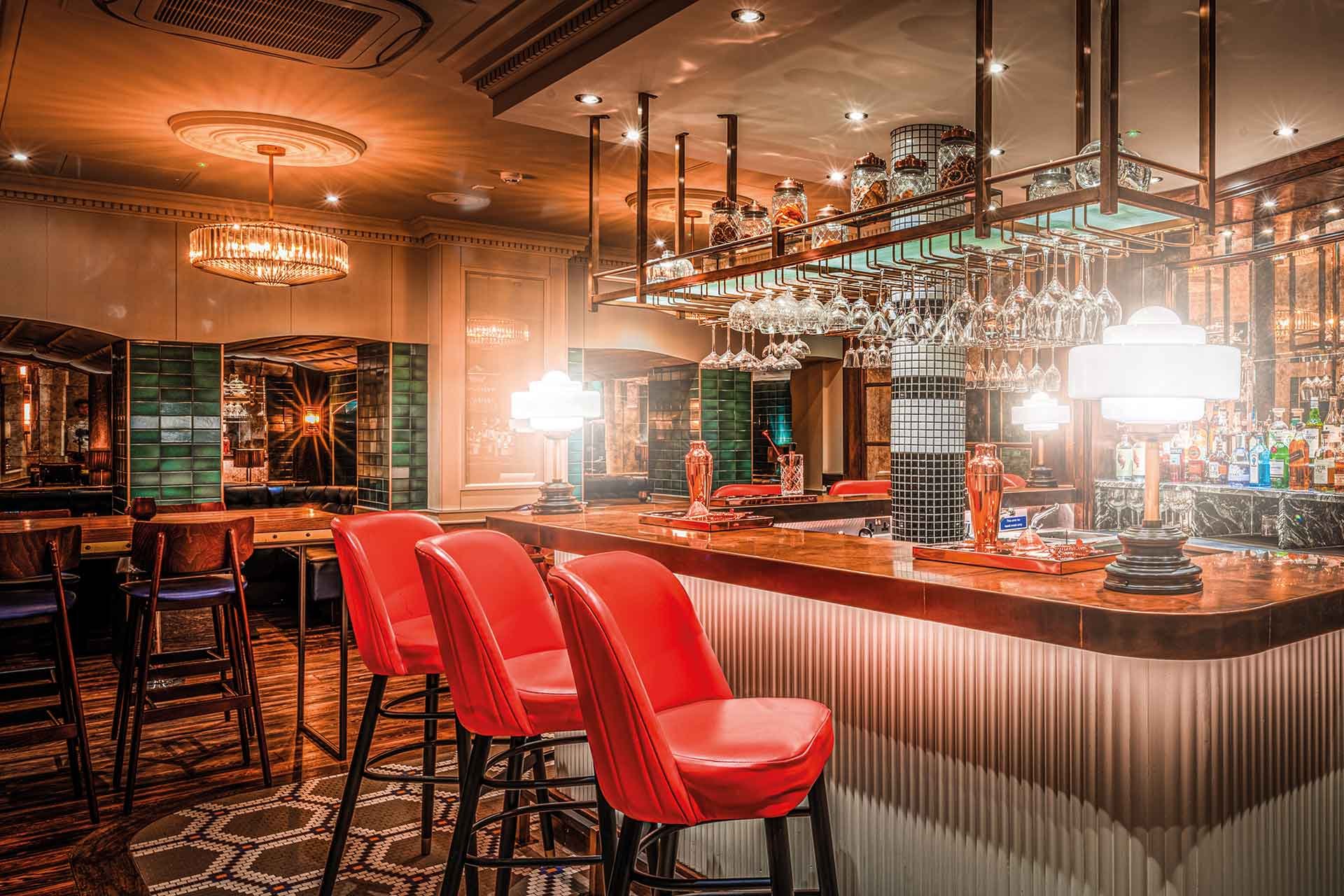
The challenge for heritage brands is not maintaining recognition, but ensuring continued relevance.
Elements that once differentiated a concept, whether in service style, menu structure or spatial layout, can become restrictive when they no longer align with how guests engage. At that point, they begin to limit performance rather than support it.
Managing heritage requires a clear view of what still holds value and what needs to evolve. This is less about preservation or reinvention, and more about fit, ensuring that the core identity remains intact while the experience around it reflects current expectations.
This is where execution becomes critical. Menus, spaces and service models need to align with how people choose to spend time, how they define value and how they move through hospitality environments today. Consistency, clarity and operational discipline play a central role in translating heritage into something that feels relevant in practice.
