-1.png?width=3330&height=698&name=TGP%20International%20Logo%20White%20(1)-1.png "TGP International logo")

Hospitality is gradually evolving alongside wider shifts in consumer lifestyle, health awareness and wellbeing priorities. While service, aesthetics and guest experience remain central, there is growing emphasis on environments that also support recovery, longevity, comfort and overall quality of life.
This evolution reflects a broader global awareness of wellbeing, driven by rising lifestyle related health concerns, increasing stress levels and a growing desire for more meaningful and restorative experiences.
Today, hospitality spaces do more than accommodate guests. They shape how people sleep, eat, move and connect. They influence physical health, mental clarity and social interaction in ways that are both visible and subtle. As a result, wellness is no longer a niche offering or an added amenity. It is becoming a core framework that informs design, operations and commercial strategy.
At the centre of this shift are eight interconnected pillars that define wellness integrated hospitality. Together, they can provide a structured outline for creating environments that enhance performance, support longevity and deliver more impactful guest experiences.
Read More on Wellness, Hospitality & F&B Trends
.png)
1. Environmental Health

Environmental health forms the foundation of wellness integrated hospitality. It refers to the physical conditions in which guests and staff operate, including air quality, ventilation, daylight, acoustics, material selection and thermal comfort.
Given that people spend approximately 90 percent of their time indoors, these factors have a direct impact on sleep quality, cognitive function and overall comfort.
According to the US Environmental Protection Agency, indoor pollutant concentrations can often be two to five times higher than outdoor levels, reinforcing the importance of healthier interior environments.
Research from Harvard’s Healthy Buildings programme has also demonstrated measurable links between indoor air quality and human performance. In the CogFX study, cognitive function scores doubled in environments with enhanced ventilation compared to conventional building conditions, while workers in “Green+” environments achieved cognitive performance improvements of over 100 percent in certain testing categories.
In hospitality settings, this translates into deliberate and measurable design decisions. Mechanical systems are increasingly designed around air quality rather than minimum compliance. Acoustic zoning reduces overstimulation and creates more controlled environments, particularly as noise pollution is closely associated with sleep disruption and stress. Material selection prioritises low toxicity and long-term durability, limiting off gassing while improving lifecycle performance. Lighting strategies are aligned with circadian rhythms to support natural biological cycles, with studies consistently linking access to natural daylight to improved sleep quality, mood and productivity.
At its most advanced, this approach evolves into what can be described as longevity architecture. This is the coordinated design of air, light, sound, water and thermal systems to support human health and performance over time rather than simply meeting baseline standards. As wellness expectations continue to rise, environmental performance is increasingly becoming both a guest experience differentiator and a measurable commercial asset.
Key Considerations
- Prioritise indoor environmental quality through enhanced ventilation, air filtration and low toxicity material selection to support long-term guest health and cognitive performance.
- Design lighting strategies around circadian rhythm principles, maximising natural daylight while reducing overstimulation and supporting sleep quality.
- Integrate acoustic zoning and sound management to minimise stress, improve recovery and create calmer hospitality environments.
- Ensure thermal comfort systems are precisely controlled and adaptable to varying guest preferences and occupancy conditions.
- Coordinate air, light, sound, water and thermal systems holistically through a longevity architecture approach rather than treating them as isolated technical functions.
- Balance wellness driven environmental strategies with operational efficiency, lifecycle durability and long-term asset performance.
- Use measurable environmental performance indicators to strengthen guest satisfaction, brand differentiation and commercial value.
2. Nourishment and Metabolic Integrity

Food and beverage is one of the most direct interfaces between hospitality and health. With more than one billion people globally living with obesity and lifestyle related conditions continuing to rise, menu design carries increasing strategic importance.
Wellness integrated hospitality does not require rigid or prescriptive dietary positioning. Instead, it focuses on balance, transparency and integrity. Guests expect to understand what they are consuming and to have access to options that support both enjoyment and wellbeing.
This is reflected through ingredient transparency, menu architecture that balances indulgence with nutrient density and supply chains configured for freshness and quality. There is also a growing emphasis on reducing reliance on ultra processed foods in favour of more natural and minimally altered ingredients.
From a commercial perspective, food and beverage often represents a significant share of total revenue. Nutritional credibility therefore becomes not only a guest expectation but also a powerful brand differentiator.
Key Considerations
- Balance indulgence with nutrient-dense menu options rather than adopting overly restrictive dietary positioning.
- Prioritise ingredient transparency and clear nutritional communication.
- Reduce reliance on ultra-processed foods in favour of fresh, minimally processed ingredients.
- Align sourcing strategies with quality, freshness and operational consistency.
- Design menu architecture to support both guest enjoyment and wellbeing goals.
- Recognise food and beverage as both a health touchpoint and a significant commercial driver within hospitality environments.
Read About Wellness Trends in 2026
3. Movement and Physical Culture
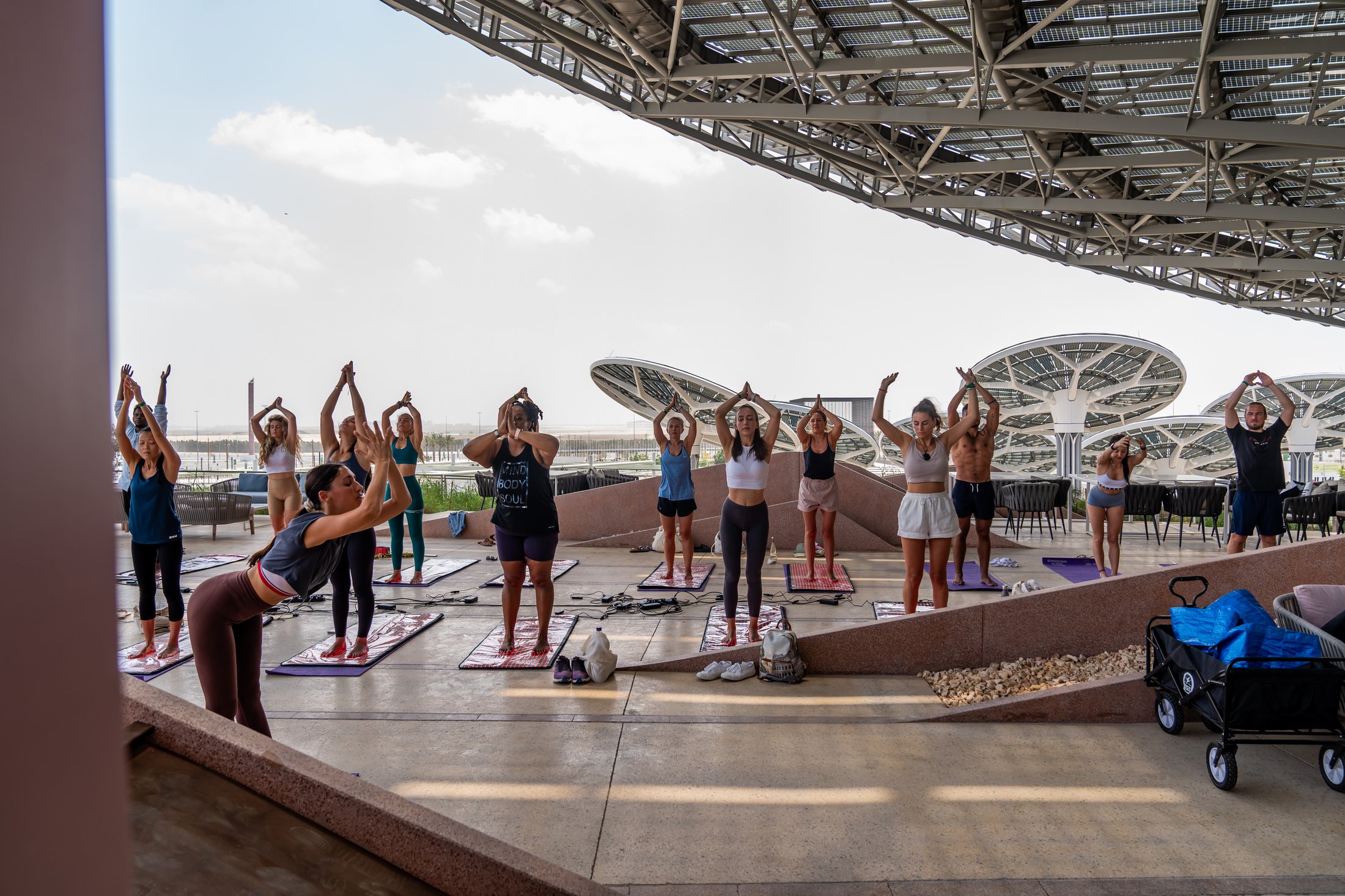
Sedentary lifestyles are now widely documented across both developed and emerging markets. In response, hospitality is expanding its approach to movement beyond traditional gym facilities.
Movement integration is increasingly embedded within the overall spatial and operational strategy. Walkable masterplans encourage natural circulation and exploration. Flexible spaces allow for programming that can evolve throughout the day. Outdoor environments are incorporated wherever climate permits, creating opportunities for more dynamic and engaging experiences.
Partnerships with instructors and community led initiatives further extend the offer, transforming movement into a social and cultural activity rather than a standalone function.
Key Considerations
- Move beyond traditional gym models by integrating movement throughout the guest experience.
- Design walkable environments that encourage natural circulation and exploration.
- Incorporate flexible spaces that support evolving wellness and activity programming.
- Utilise outdoor environments where possible to create more engaging movement experiences.
- Develop partnerships and community-led programming that position movement as a social and cultural activity.
- Align spatial planning and operations to encourage more active day-to-day guest behaviour.
4. Sleep and Recovery
Sleep has become a major global concern, with a significant proportion of adults reporting insufficient or poor quality rest. According to the US Centers for Disease Control and Prevention, more than one in three adults do not get the recommended amount of sleep each night, while global research continues to link sleep deprivation to reduced cognitive performance, increased stress and long-term health risks. Within hospitality, sleep performance is directly linked to guest satisfaction, online reviews and repeat visitation.
Designing for recovery requires a careful balance of technical precision and sensory restraint. Studies have shown that excessive nighttime noise can increase sleep disturbance and negatively affect recovery, making acoustic insulation and zoning critical components of hospitality design. Blackout systems and controlled lighting environments support deeper rest by aligning with circadian rhythms, while research suggests that cooler room temperatures between approximately 16 and 19 degrees Celsius are generally associated with improved sleep quality. Thermal comfort is therefore finely tuned to maintain optimal sleeping conditions throughout the guest experience.
Guest rooms are increasingly designed with low stimulation in mind, reducing unnecessary visual and sensory input to create calmer environments. This reflects growing consumer demand for restorative travel experiences, with wellness tourism continuing to expand globally and sleep-focused hospitality emerging as a major area of investment and differentiation. Beyond the room itself, there is also an opportunity to extend recovery into dedicated wellness programming and services, creating additional revenue streams while enhancing the overall guest experience.
Key Considerations
- Prioritise acoustic insulation and zoning to minimise sleep disturbance and support recovery.
- Integrate blackout systems and controlled lighting environments that align with circadian rhythms.
- Maintain thermal comfort within optimal sleep temperature ranges.
- Design guest rooms with reduced visual and sensory stimulation to create calmer environments.
- Recognise sleep quality as a key driver of guest satisfaction, reviews and repeat visitation.
- Extend recovery beyond the guest room through wellness programming and sleep-focused services.
- Position sleep and recovery as both a wellbeing priority and a commercial differentiation opportunity.
5. Social and Community Design
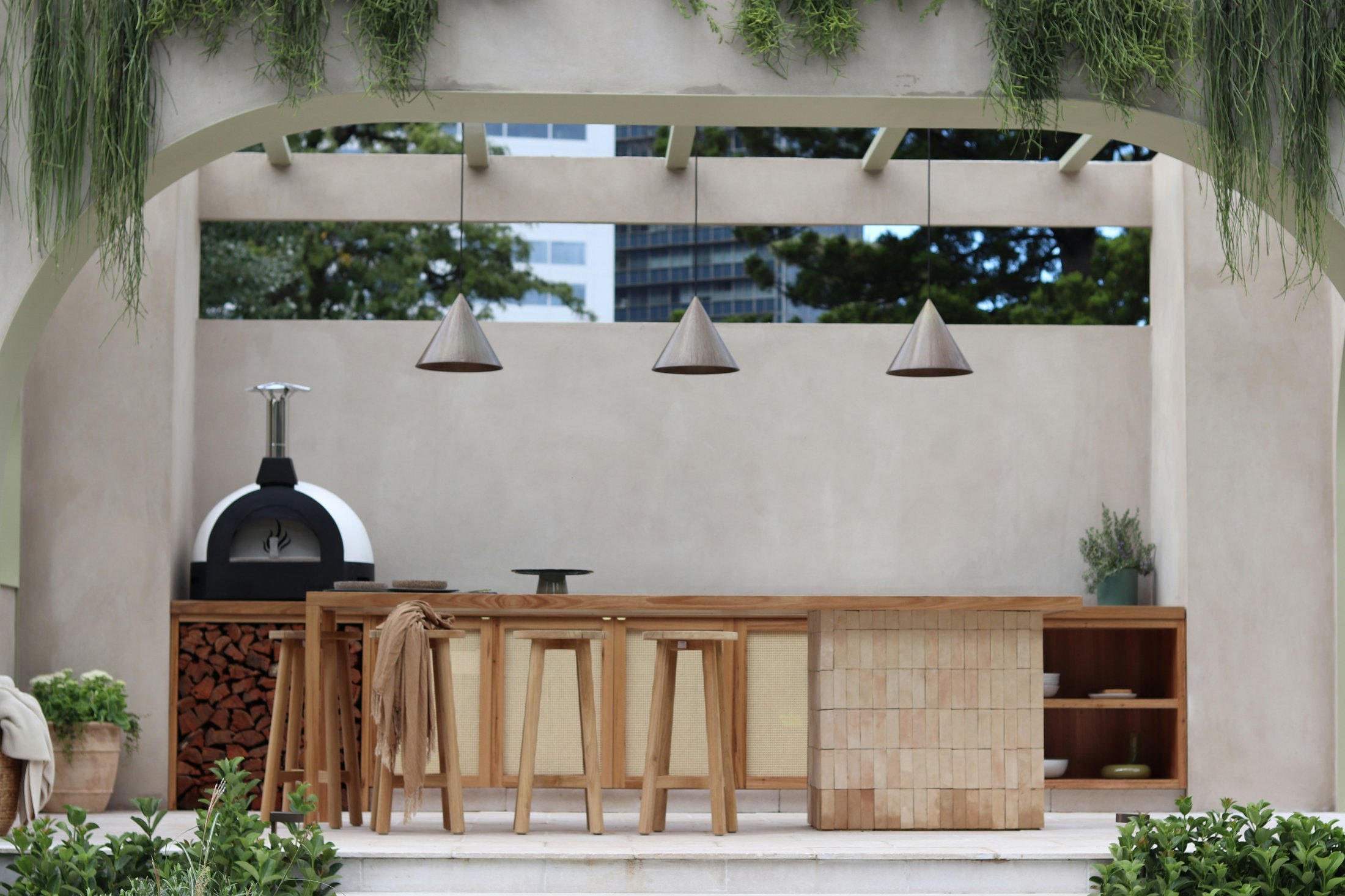
Hospitality has an important role to play in addressing rising levels of social disconnection. With loneliness affecting a significant portion of the global population, spaces that facilitate meaningful interaction are becoming increasingly valuable.
Social and community design focuses on creating environments that balance privacy with opportunities for connection. This can include communal dining formats, shared spaces that encourage interaction and programming that enables low pressure social engagement.
Equally important is the design of public areas that encourage dwell time rather than rapid turnover. These spaces support longer stays, deeper engagement and stronger emotional connections to place.
For mixed use developments and urban destinations, this pillar is closely linked to placemaking strategy and footfall generation, reinforcing the role of hospitality as a social anchor within the wider community.
Key Considerations
- Create environments that balance privacy with opportunities for social connection.
- Design communal spaces and dining formats that encourage natural interaction.
- Incorporate low-pressure programming that supports social engagement and community building.
- Develop public areas that encourage dwell time and deeper guest engagement.
- Strengthen emotional connection to place through socially oriented hospitality design.
- Position hospitality assets as social anchors within mixed-use and urban environments.
- Align community-focused design with placemaking, footfall generation and long-term destination value.
6. Mental and Nervous System Regulation
Beyond physical health, hospitality environments have a profound impact on cognitive load and emotional state. While often less visible, this influence is critical to how a space is perceived and experienced. According to the World Health Organization, anxiety disorders affect approximately 301 million people globally, while depression impacts more than 280 million people worldwide. At the same time, workplace and urban stress levels continue to rise, increasing demand for environments that support mental recovery and emotional regulation.
Mental comfort is shaped through a combination of design clarity and operational precision. Reducing sensory overload is key, particularly in high energy environments. Research published in the Journal of Environmental Psychology has shown that excessive noise exposure can increase cortisol levels and significantly reduce cognitive performance and concentration. Meanwhile, studies on wayfinding and spatial legibility suggest that intuitive layouts can reduce navigation stress and improve perceived comfort in complex built environments. Visual coherence and spatial clarity therefore play an important role in reducing stress and confusion within hospitality settings.
Service choreography also contributes directly to emotional comfort. Consumer experience research consistently demonstrates that guests are more likely to report positive emotional responses when interactions feel structured, predictable and seamless. Quiet zones within more active environments provide opportunities for pause and recovery, particularly important given that studies have found even short periods spent in calmer, lower stimulation environments can reduce heart rate and support nervous system regulation. Together, these strategies allow guests to regulate their experience according to their individual needs, creating environments that feel calmer, more restorative and psychologically supportive.
Key Considerations
- Recognise the impact of hospitality environments on cognitive load, emotional state and mental wellbeing.
- Reduce sensory overload through controlled design, particularly in high-energy or complex environments.
- Use clear spatial legibility and intuitive wayfinding to minimise navigation stress and improve comfort.
- Design for visual coherence to support psychological ease and reduce cognitive strain.
- Structure service delivery to feel predictable, seamless and emotionally reassuring.
- Incorporate quiet zones and low-stimulation areas to enable pause, recovery and nervous system regulation.
- Support guest autonomy by allowing individuals to move between active and restorative environments based on need.
7. Operational Culture and Staff Wellbeing

Guest experience cannot be separated from staff experience. Operational culture forms the backbone of any successful hospitality environment and has a direct impact on service quality.
Wellness integrated hospitality requires alignment between concept, design and operations. Efficient back of house planning supports smoother workflows and reduces unnecessary strain. Training must be aligned with the intended guest experience, ensuring consistency across all touchpoints.
Scheduling practices that reduce burnout and clear communication between departments are essential to maintaining a healthy working environment. When staff are supported, engaged and operating within well designed systems, the quality of service improves naturally.
Key Considerations
- Recognise the direct link between staff experience, operational culture and guest experience quality.
- Align concept, design and operations to ensure wellness integration is deliverable in practice, not just intent.
- Design efficient back-of-house layouts to support smoother workflows and reduce operational strain.
- Align staff training with the intended guest experience to ensure consistency across all touchpoints.
- Implement scheduling practices that reduce burnout and support workforce wellbeing.
- Strengthen interdepartmental communication to improve coordination and service delivery.
- Support staff through well-designed systems, enabling more consistent, high-quality guest experiences.
8. Measurement and Accountability
For wellness integration to deliver meaningful impact, it must be measurable. Without clear performance indicators, wellness risks remaining a branding narrative rather than a functional operational strategy. Measurement frameworks allow operators, developers and investors to evaluate both guest outcomes and commercial performance, creating a direct link between wellness initiatives and long-term asset value.
|
Measurement Area |
Key Metrics |
Strategic Value |
|
Environmental Performance |
Indoor air quality (CO₂, VOCs, particulate matter), thermal comfort, daylight exposure, acoustic levels |
Improves guest comfort, cognitive performance and perceived quality of the environment |
|
Food & Beverage Integrity |
Ingredient transparency, percentage of minimally processed ingredients, sourcing traceability, healthy menu uptake |
Strengthens brand trust and supports growing demand for health-conscious dining |
|
Sleep & Recovery Performance |
Guest sleep quality scores, room acoustics, lighting performance, thermal regulation data |
Directly influences guest satisfaction, online reviews and repeat visitation |
|
Movement & Wellness Engagement |
Participation in wellness programming, fitness utilisation rates, outdoor activity engagement |
Measures demand for active lifestyle experiences and wellness-led revenue streams |
|
Mental & Emotional Wellbeing |
Guest satisfaction surveys, sensory comfort feedback, dwell time in relaxation spaces |
Assesses emotional comfort and overall guest experience quality |
|
Operational Culture & Staff Wellbeing |
Staff retention, absenteeism, burnout rates, employee engagement scores |
Supports service consistency, operational efficiency and long-term workforce stability |
|
Commercial Performance |
Wellness-related revenue, ADR uplift, occupancy rates, repeat guest frequency |
Demonstrates financial return on wellness integration strategies |
|
Sustainability & Longevity |
Energy efficiency, water performance, lifecycle durability of materials |
Enhances long-term asset resilience and operational cost efficiency |
Together, these metrics create a continuous feedback loop that allows hospitality operators to refine environments, improve operational performance and strengthen long-term commercial value. As wellness expectations continue to evolve, measurable performance will increasingly differentiate leading hospitality brands from those relying solely on aesthetics or amenities.
Key Considerations
- Make wellness measurable to ensure it functions as an operational strategy, not just branding.
- Link wellness performance directly to guest outcomes and commercial value.
- Track environmental factors such as air quality, acoustics, lighting and thermal comfort.
- Measure F&B quality through transparency, sourcing and healthy menu uptake.
- Assess sleep, recovery and movement engagement through guest feedback and usage data.
- Include mental wellbeing indicators such as satisfaction, comfort and space utilisation.
- Monitor staff wellbeing and operational culture as a core driver of service quality.
- Evaluate commercial impact through ADR, occupancy, repeat visits and wellness revenue.
- Use sustainability and resource efficiency metrics to support long-term asset performance.
Conclusion
Wellness integrated hospitality is not defined by a single feature or offering. It is a holistic and multi dimensional framework that spans design, operations and commercial strategy.
As the industry continues to evolve, the most successful environments will be those that go beyond aesthetics and service to actively support how people feel, function and connect. By integrating these eight pillars, hospitality can play a meaningful role in enhancing longevity, improving performance and creating more valuable and lasting experiences.