-1.png?width=3330&height=698&name=TGP%20International%20Logo%20White%20(1)-1.png "TGP International logo")
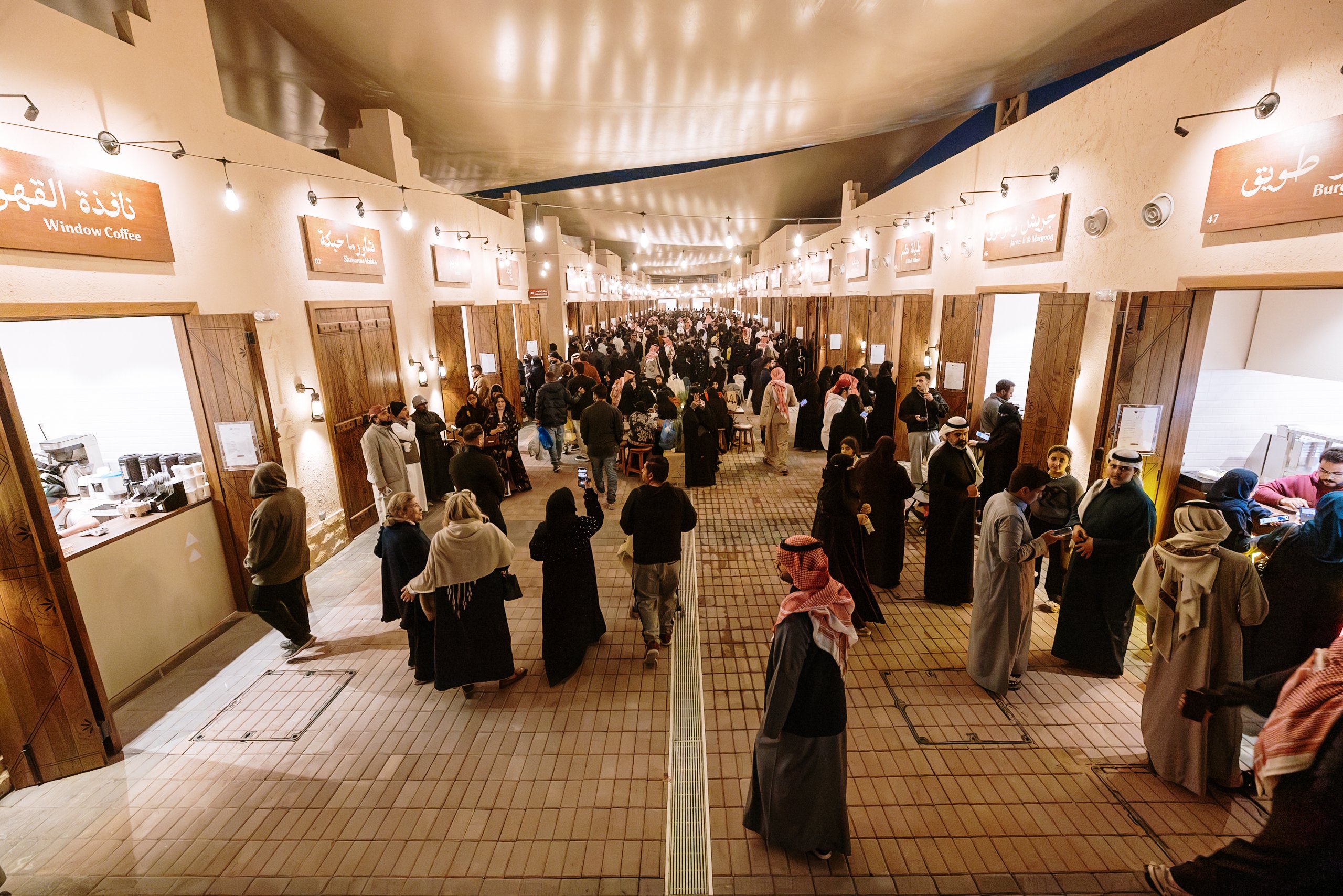
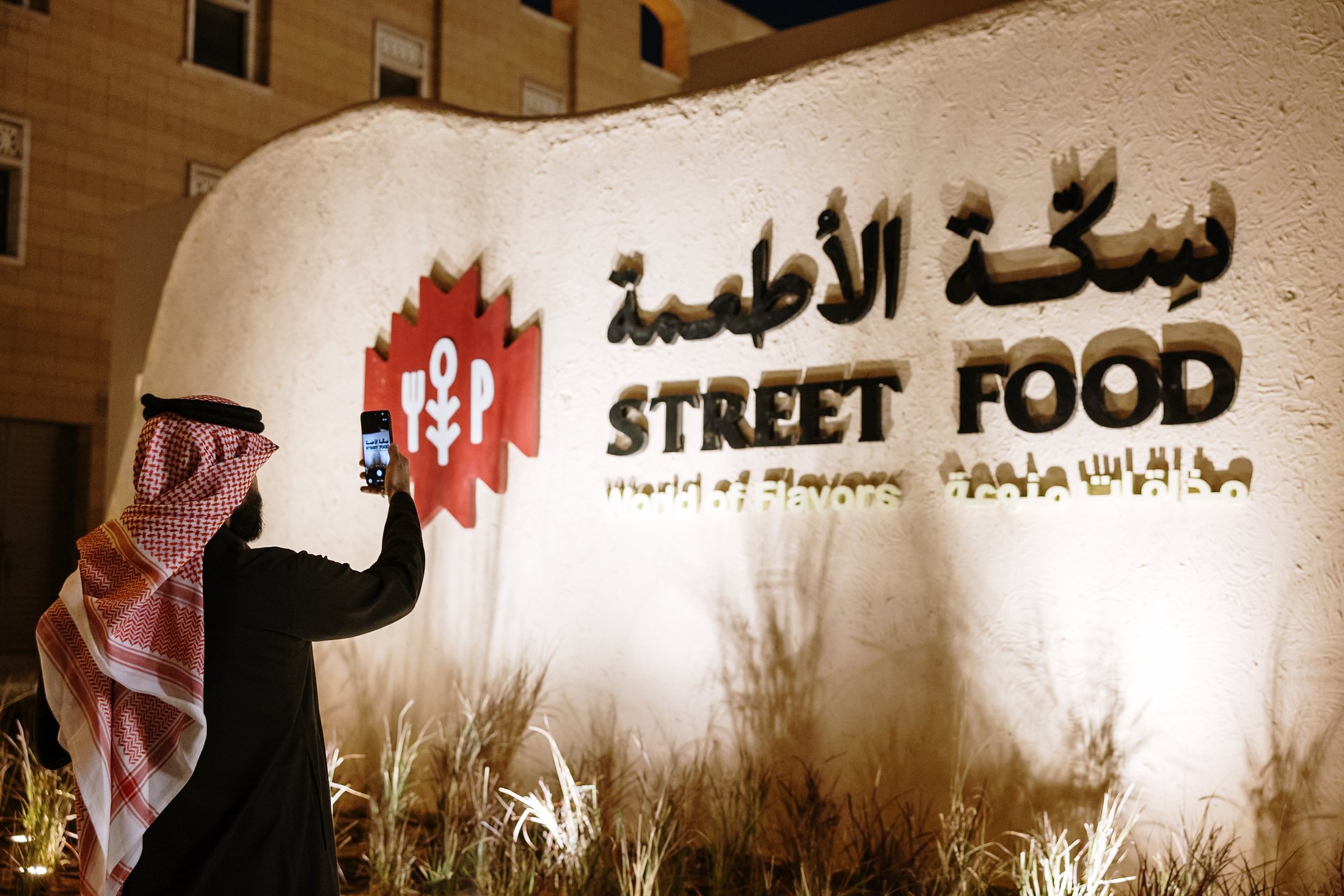
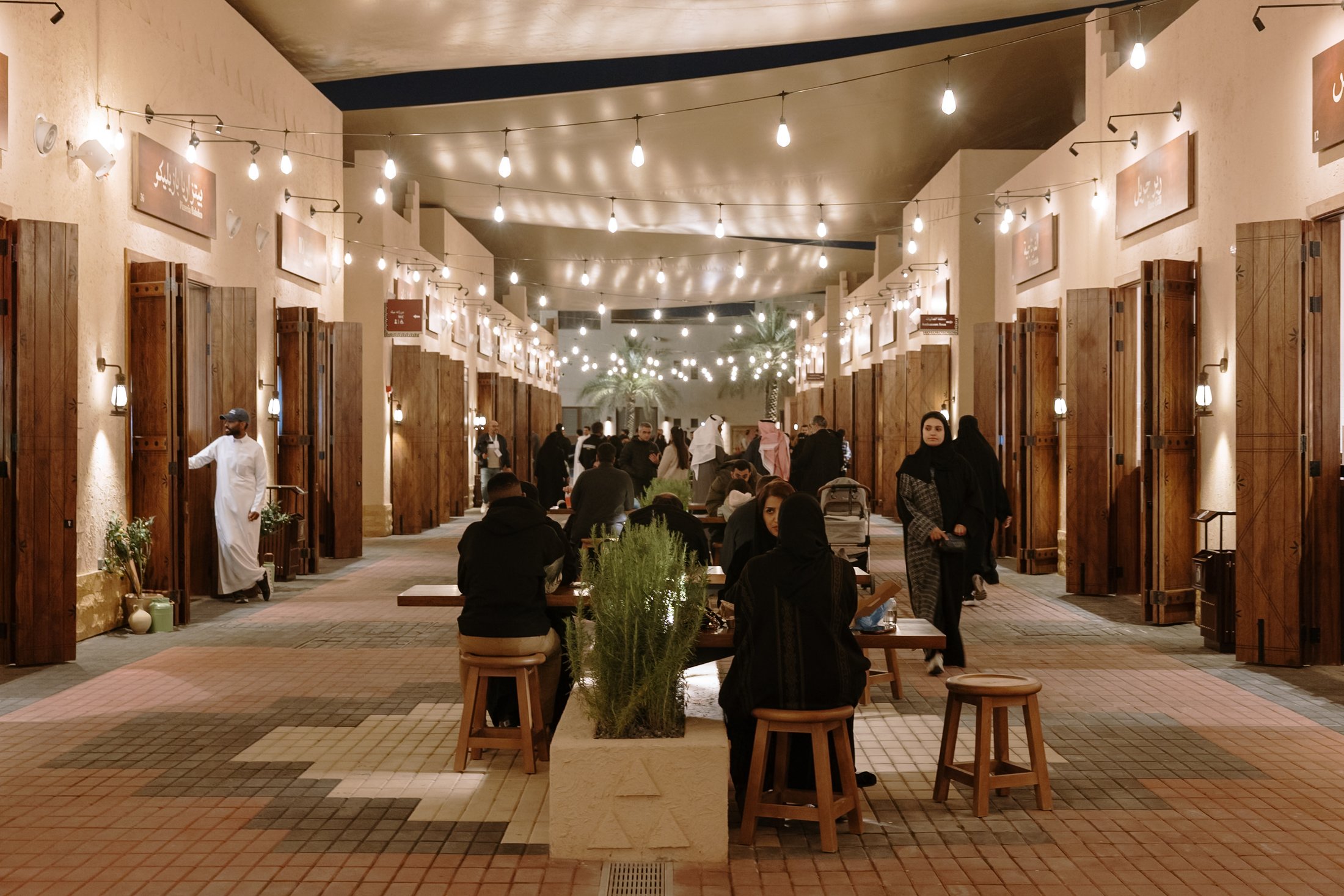
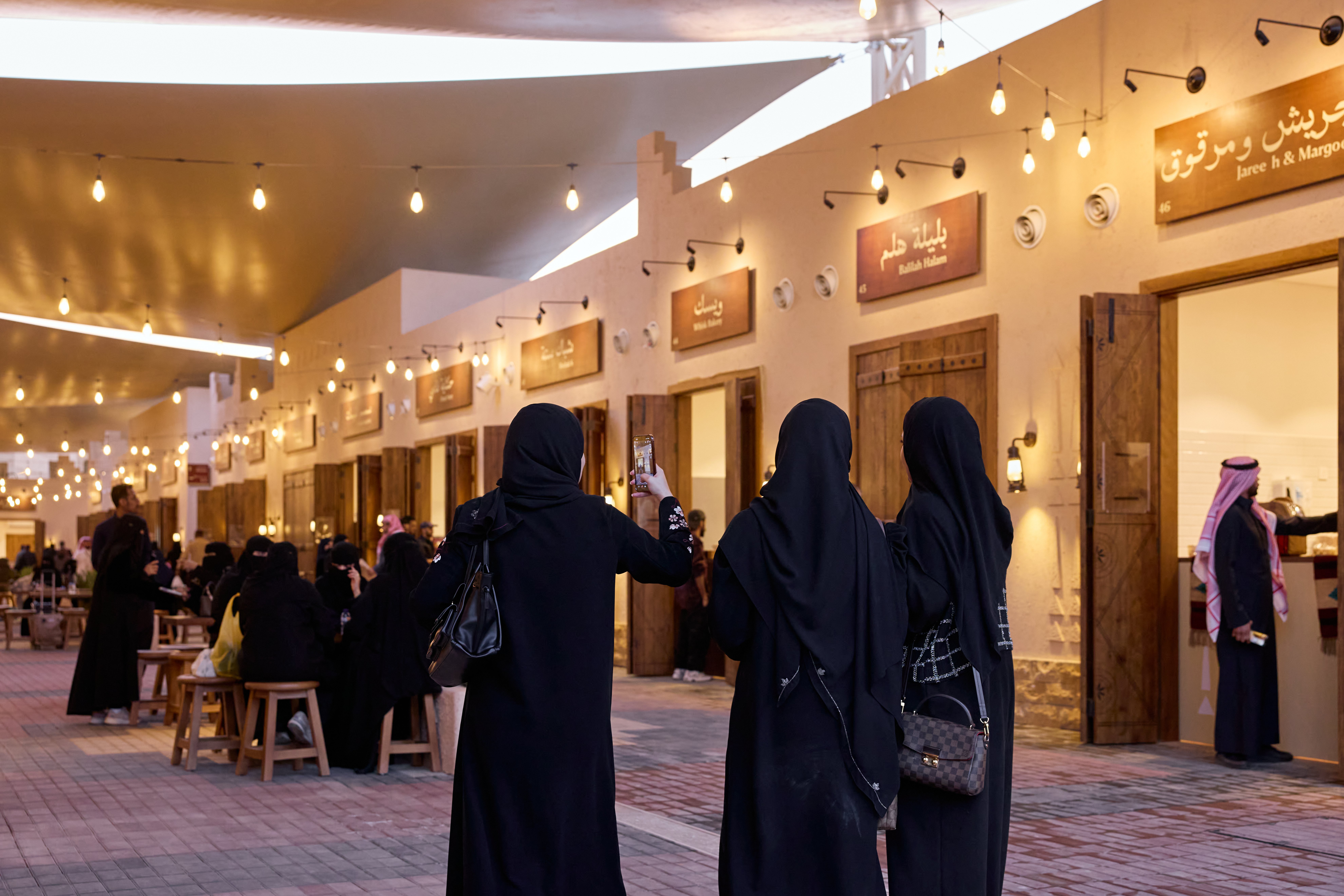
Street Food is one of the largest street food projects in Riyadh, bringing together a diverse mix of local vendors within a structured, high-volume environment. Conceived not only as a long-term F&B hub but also as a catalyst for urban activation, the project aims to drive tourism and significantly increase footfall in an area that currently lacks food and beverage offerings. By introducing a vibrant, accessible dining experience, it seeks to transform the location into a compelling destination. Designed with a focus on affordability and operational consistency at scale, the concept balances accessibility with efficiency.
To explore the operational thinking behind the project, we spoke with Michel Saab, Country Director for Saudi Arabia at TGP International. Drawing on his direct involvement in delivery, he shares insight into how the team approached vendor onboarding, operational frameworks and long-term sustainability across one of Riyadh’s most ambitious street food concepts.
What were the key operational challenges in delivering Street Food?
One of the main challenges was onboarding a large number of independent, often founder-led vendors, many of whom had limited experience operating at this scale. In total, the team engaged with over 200 potential vendors, which were carefully filtered down to 144 curated brands to ensure the right mix of quality and concept fit. This required significant operational support across food safety, hygiene and day-to-day execution, alongside practical guidance on staffing models, procurement planning and adapting menus for higher-volume trading. The scale and pace of delivery also meant mobilisation had to be tightly managed to ensure consistency across all operators.
Explore Operational Strategy For Your Projects
How did you approach vendor onboarding at scale?
The approach was highly hands-on, with a strong focus on setting vendors up for success from day one. It was not a standardised approach, but rather a multi-layered engagement process that included a range of mechanisms such as curated site tours, community discussions, and collaborative sessions with culinary chefs. The onboarding pipeline itself was extensive, with 55 vendors formally registered, 124 NDAs issued and 50 lease offers progressed as part of the selection and commitment process. This involved guiding vendors through operational processes, supporting menu development and ensuring they understood required standards. The objective was to create a level playing field where all vendors could operate confidently within a professional environment.
Learn About Our Management Services
How did you maintain consistency across such a large number of vendors?
Consistency was driven through clearly defined operational frameworks. Vendors worked within set parameters around menu size, pricing and service standards, supported by regular checks and structured processes. This created a cohesive experience across the destination while still allowing for variety in the food offering.
How much flexibility were vendors given?
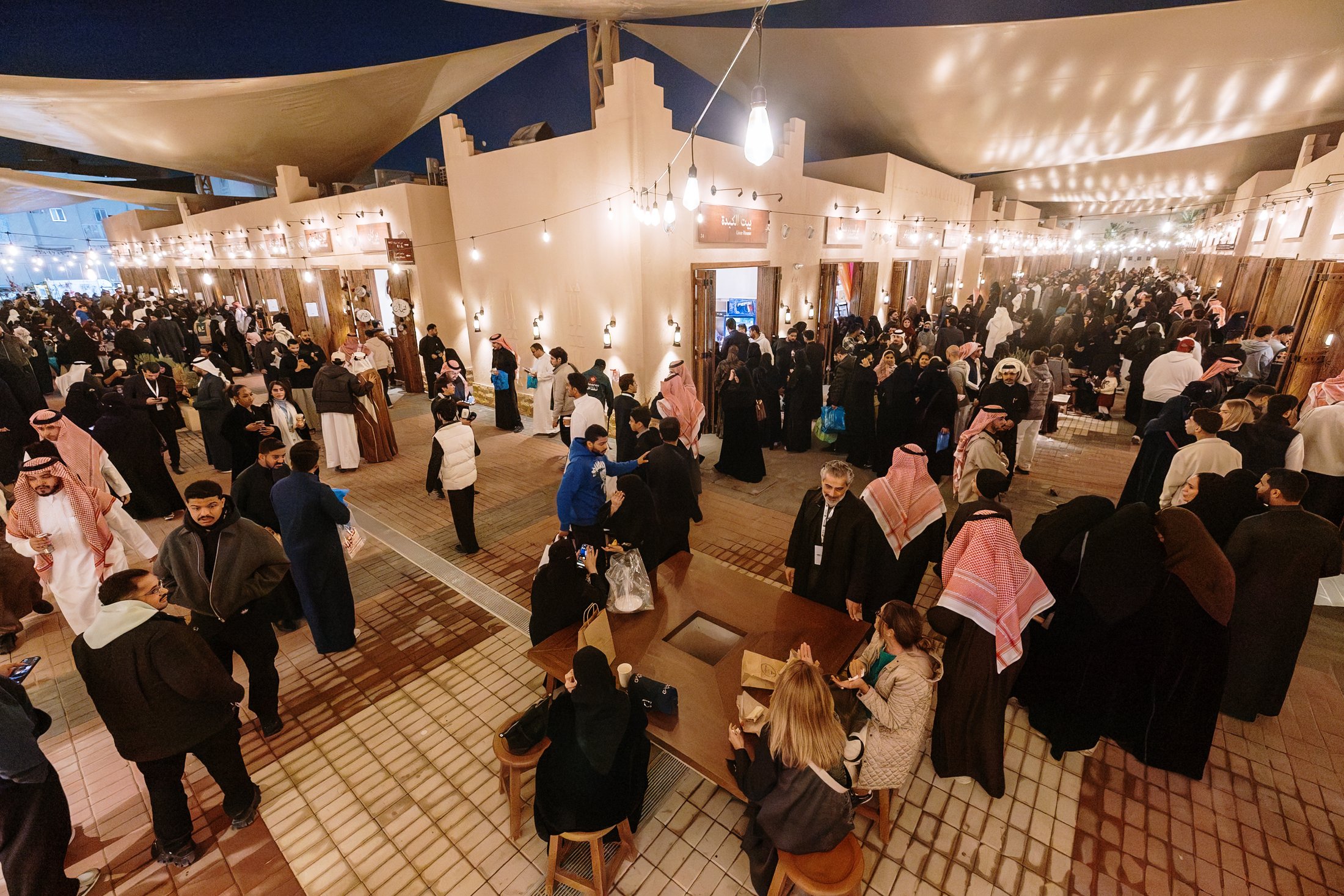
Vendors were given a degree of flexibility within a controlled structure. They were able to adapt their menus based on customer response and choose operating hours that suited their concept. This balance allowed them to remain agile while maintaining overall consistency across the site. An affordable pricing strategy was also a key principle of the model, ensuring accessibility for a wide audience and reinforcing the goal of making the street food destination open and inclusive, so that everyone can visit and enjoy the experience.
How was the project structured operationally?
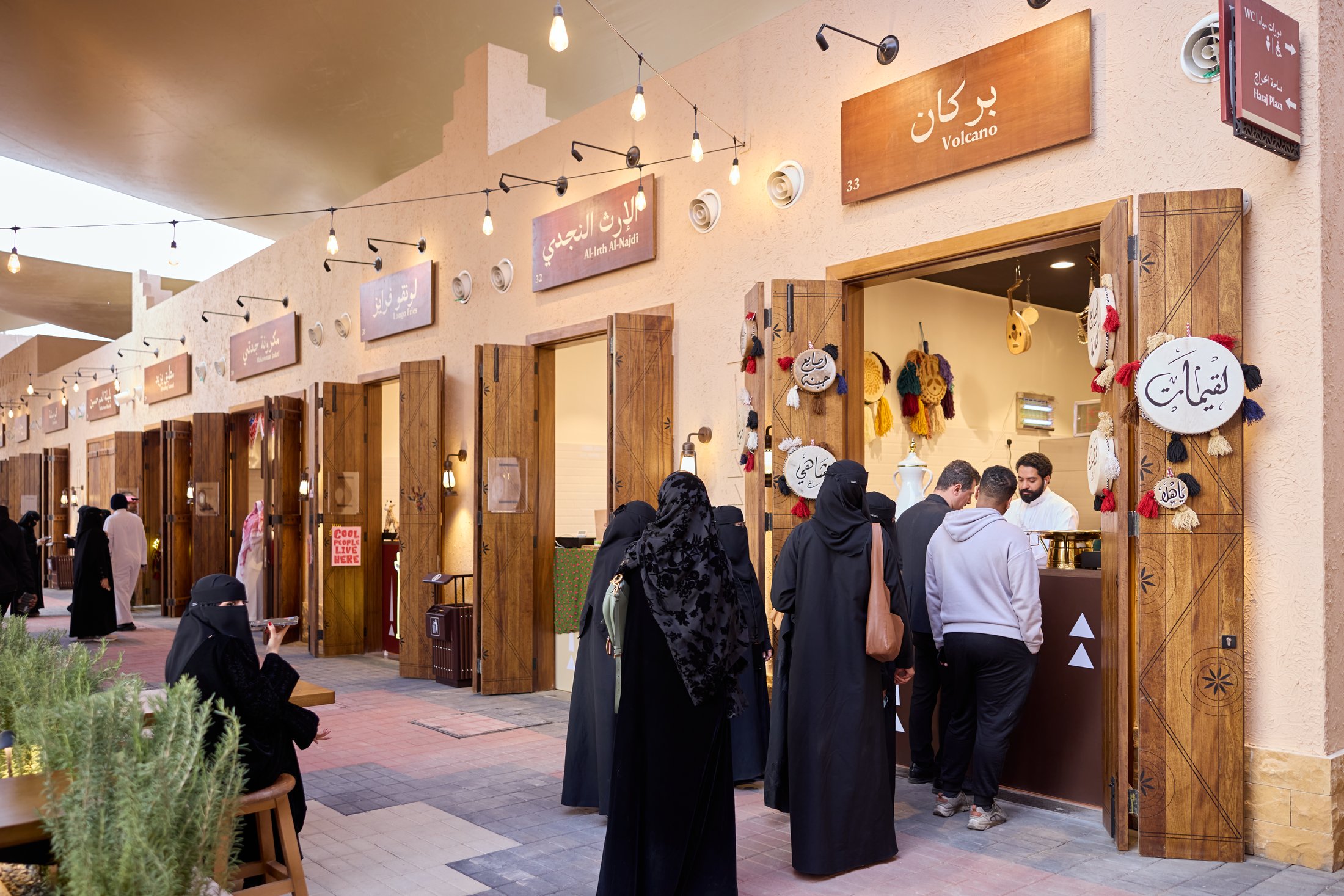
The project was delivered in two phases to allow operations to be tested, refined and scaled in a controlled way. The first phase launched with just over 41 vendors, focusing on establishing core operations, testing vendor performance and stabilising day-to-day processes within a live environment. This initial phase provided key learnings around onboarding, trading patterns and operational flow.
The second phase then expanded the offering up to 80 vendors in total, building on the operational foundations established in phase one. This allowed for more informed vendor curation, improved efficiency in onboarding and a more refined overall guest experience as the destination matured.
What role does programming and marketing play in operations?
.jpg?width=2200&height=1467&name=AZAB1409%20(2).jpg)
Programming and marketing play a central role in supporting operations. A clear calendar of events, activations and campaigns helps drive consistent footfall and encourages repeat visits. This ensures that the destination remains active and commercially viable beyond the initial launch period.
What factors are critical for long-term operational success?
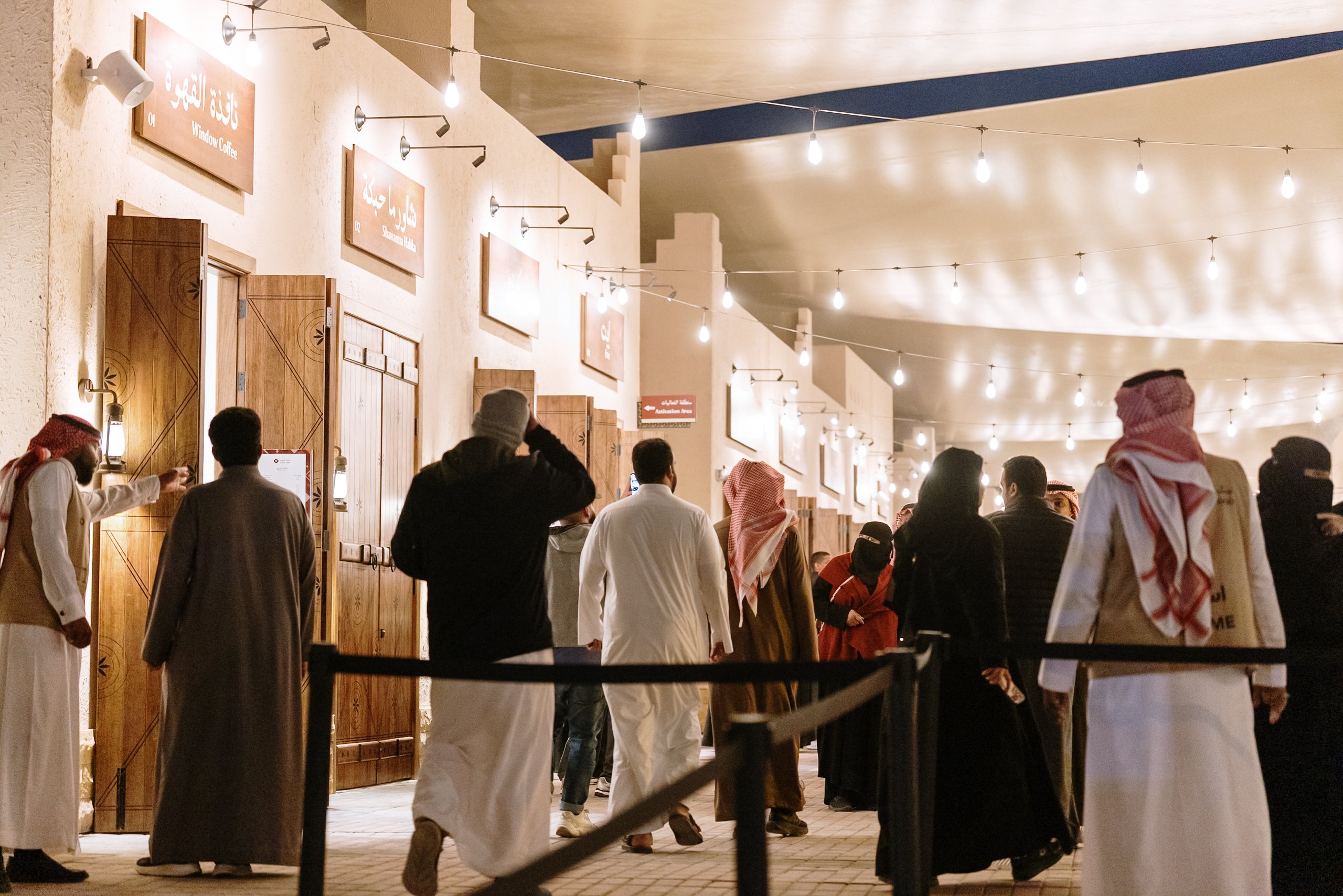
Sustained performance relies on a combination of strong operational management, ongoing engagement with clients and visitors, and a clear value proposition supported by a strong marketing and activation plan. Maintaining affordability, ensuring vendor quality, and continuously activating the space through programming and targeted campaigns are all essential to keeping the destination relevant, visible, and well-attended over time.
What were the key operational learnings from the project?
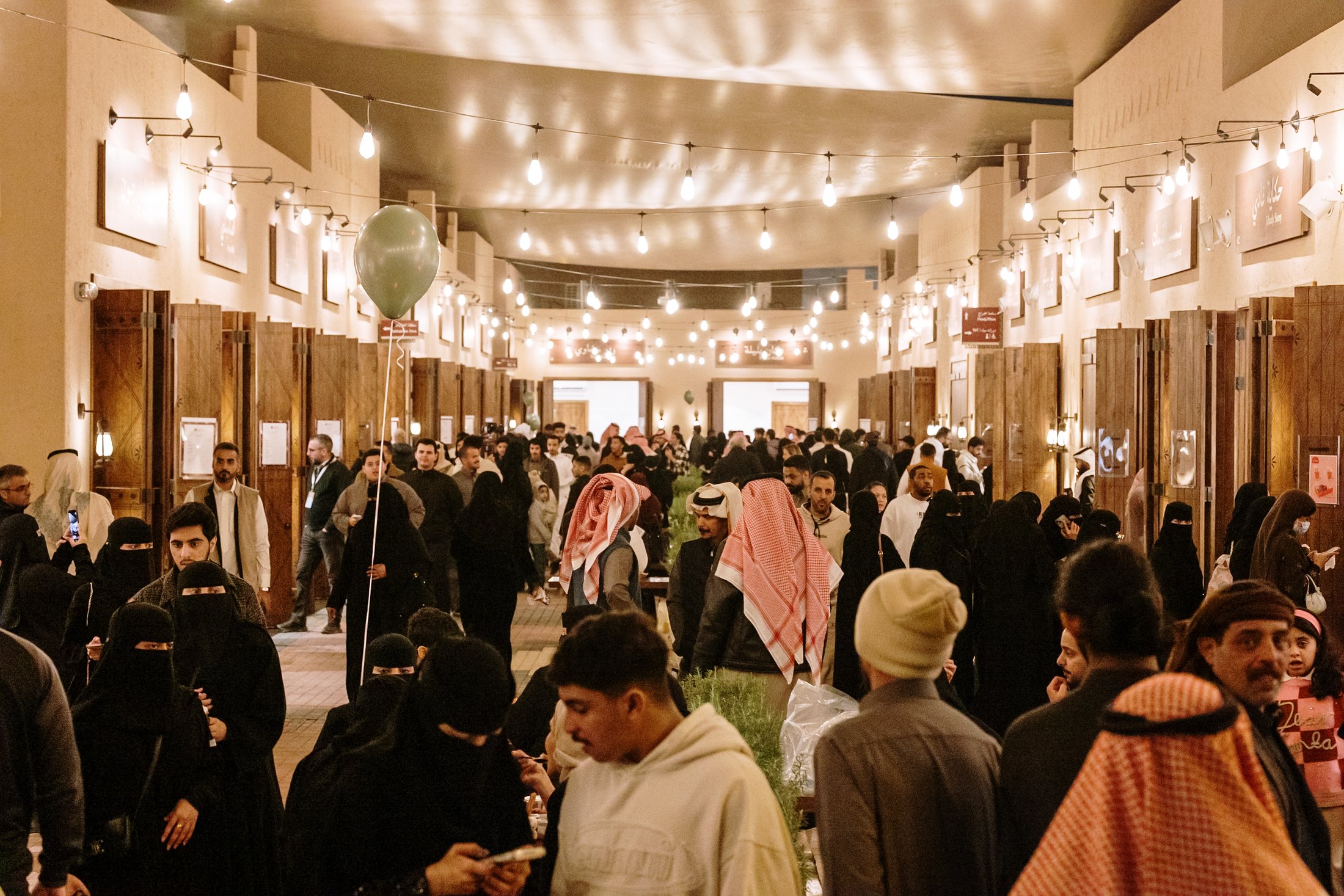
The project reinforced the importance of structured onboarding, clear operational frameworks and flexibility within defined parameters. It also highlighted the value of phased delivery and the role of continuous optimisation in managing a large and diverse vendor mix. A key takeaway was the importance of rigorous selection and quality control, with a 57% vendor qualification rate supported by a structured tasting process to ensure consistency at scale. The team also carefully curated the overall mix, maintaining a 60/40 balance between local heritage concepts and broader international offerings to achieve both authenticity and variety.
Ultimately, Street Food demonstrates how a disciplined operational approach can successfully bring together independent vendors at scale, creating a destination that is both consistent and dynamic. The model provides a strong foundation for future F&B developments, proving that with the right structure in place, street food can evolve into a sustainable, high-performing asset.
Long-term, the project is expected to attract over 1 million visitors per year, significantly enhancing tourism and positioning the destination as a key attraction within Riyadh’s wider visitor offering. It will also support approximately 200 jobs and enable around 80 businesses to operate within the destination, underlining its role not just as a food destination, but as a platform for local entrepreneurship, sustained economic activity, and tourism growth.
