-1.png?width=3330&height=698&name=TGP%20International%20Logo%20White%20(1)-1.png "TGP International logo")
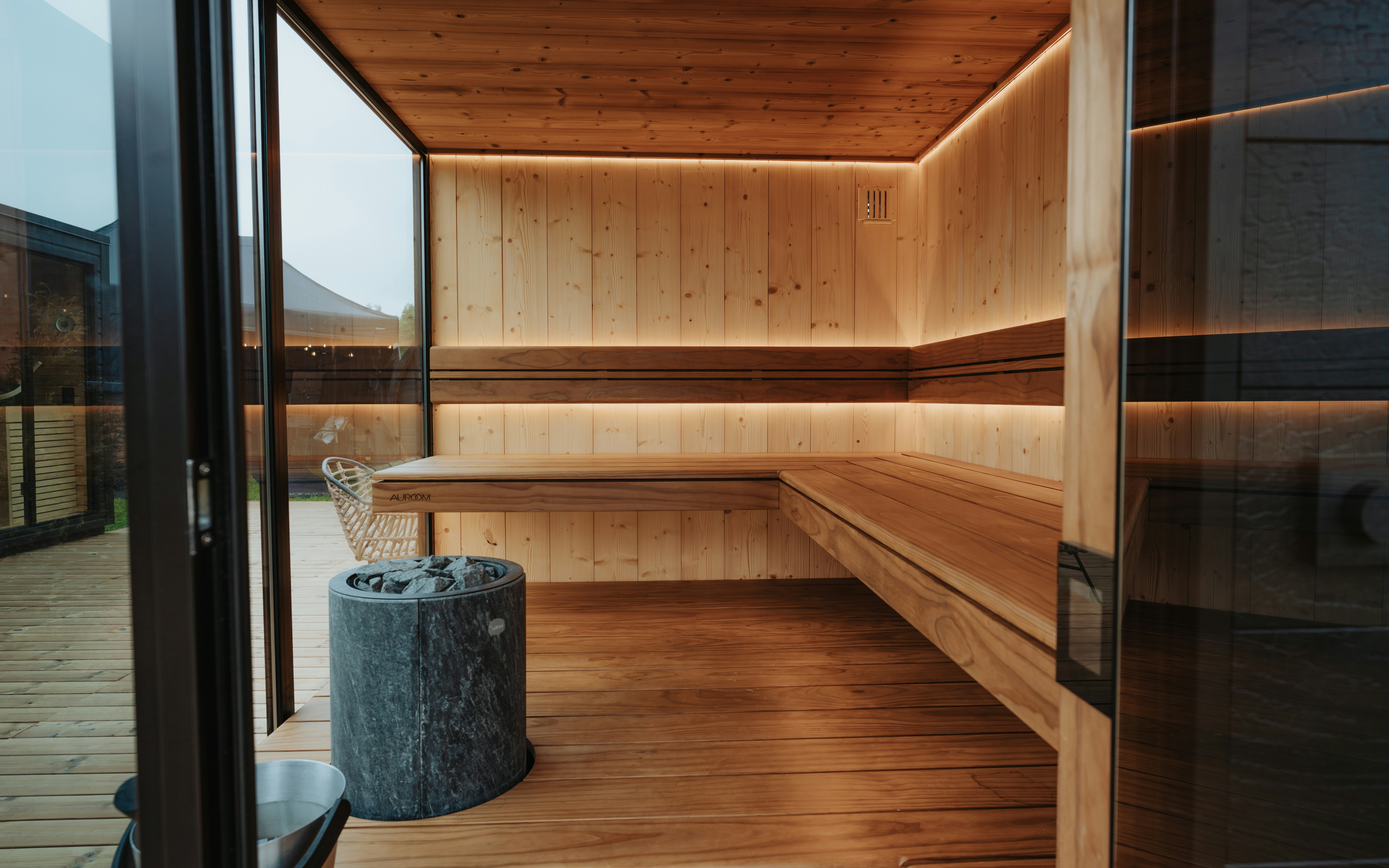
Wellness has become an integral part of the luxury and upscale hotel experience. But as wellness continues to evolve, the expectations of hotel guests are changing too. A spa can no longer rely solely on treatment rooms, saunas and steam rooms to define its wellness proposition.
Increasingly, the opportunity lies in the details around the experience: what guests drink, what they eat, where amenities are positioned and how seamlessly wellness is integrated into their journey.
At TGP International, we see wellness as an experience that extends beyond the treatment itself. For hotel spas, this means considering the entire guest journey and identifying opportunities to make every touchpoint more intuitive, sustainable and distinctive.
Here are some of the areas spa managers should be considering when rethinking wellness in luxury and upscale hotels.
Make hydration a signature experience
Hydration stations are now commonplace across hotel spas, but they can often feel interchangeable. For luxury hotels, this is an opportunity to create something more distinctive.
Rather than simply offering still water, consider developing a signature hydration experience with a selection of infused or flavoured waters. Seasonal fruits, citrus, cucumber, herbs and botanicals can create variety while adding a sense of freshness and theatre to the experience.
Hot water can also form part of the offering, whether served with lemon, fresh herbs or a selection of herbal infusions. The objective is not to prescribe what guests should drink, but to provide thoughtful choices that support different preferences.
Presentation is equally important. A beautifully designed hydration point, using considered materials, reusable glassware and sustainable serving solutions, can become part of the spa's identity. Just as important is where the hydration station is located.
Guest journeys should inform the placement of amenities. Someone leaving a sauna or steam room is likely to want water immediately. They should not have to walk through the spa searching for it. Positioning hydration points at natural moments of need is a simple but effective way of making the experience feel more intuitive.
Make sustainability part of wellness
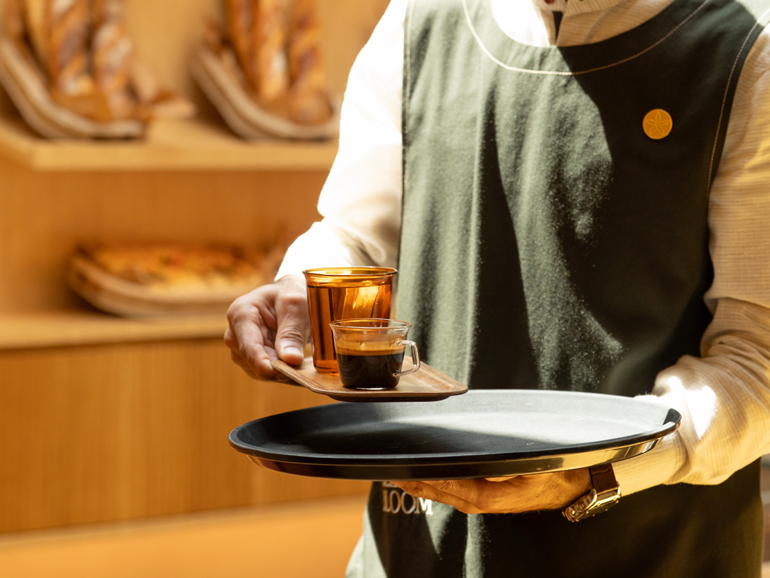
For today's luxury hotel guest, wellbeing and sustainability are increasingly connected. A wellness experience that promotes personal health while overlooking environmental impact can feel disconnected from wider guest expectations. Sustainability should therefore be considered across the spa experience, from water and food to materials, packaging and operations.
This could mean reducing single-use plastics, introducing refill systems, choosing reusable servingware, sourcing ingredients locally and seasonally, and selecting materials that align with the hotel's wider sustainability strategy.
The important consideration is that sustainability should feel integrated rather than imposed. In a luxury environment, sustainable choices should enhance the guest experience through better design, better sourcing and greater consideration.
Explore How TGP International Helps Reposition Hotel F&B Concepts
Rethink the spa food offer
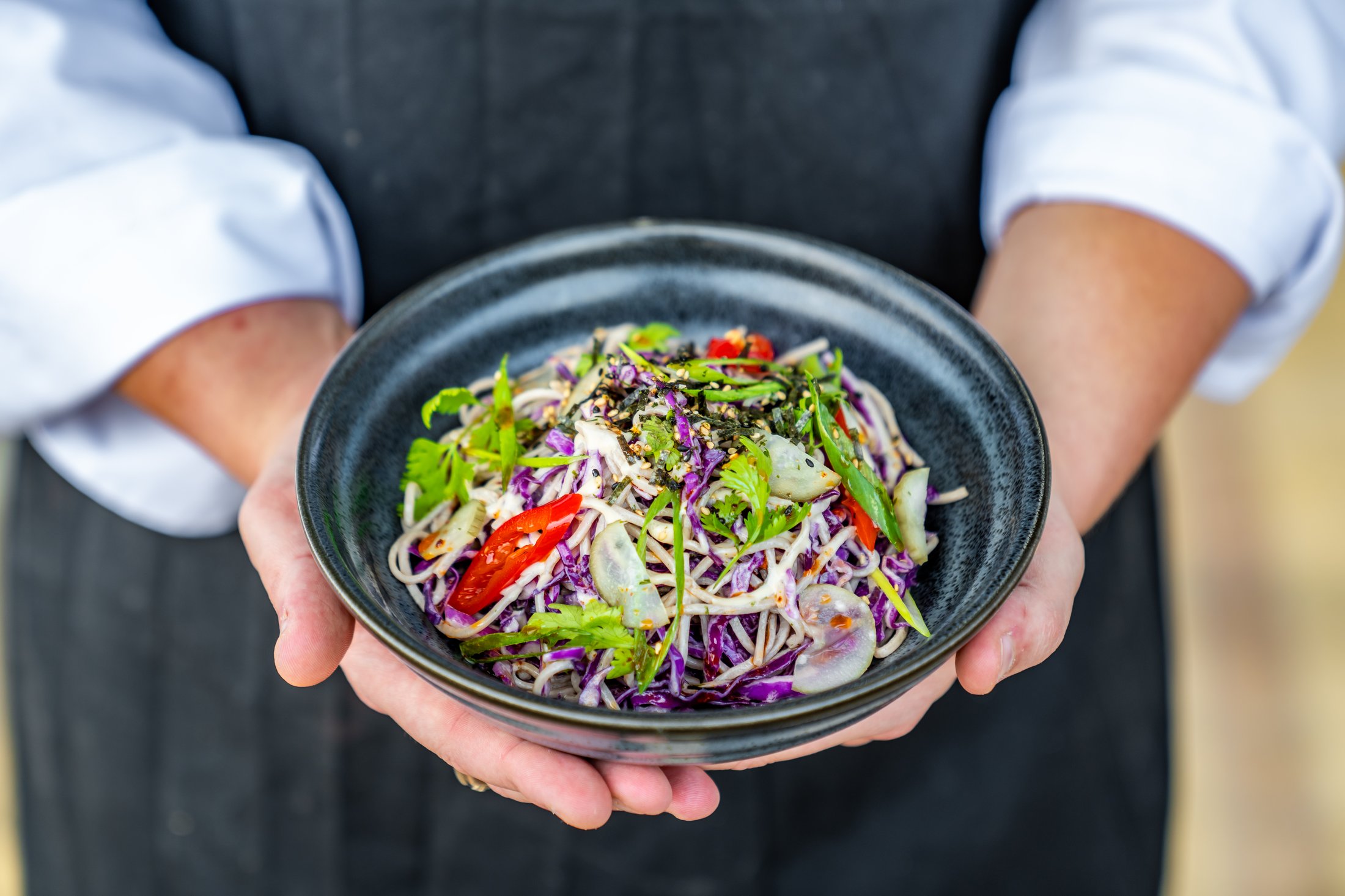
Food is another significant opportunity for hotel spas, particularly those that attract day visitors alongside hotel guests. A spa that offers food can encourage guests to extend their visit beyond a treatment or wellness session, creating an opportunity for lunch, refreshments or a post-treatment snack. It can also help position the spa as a destination within the wider hotel rather than simply an amenity.
The menu does not need to be extensive. In many cases, a concise menu of fresh, well-executed dishes is more appropriate.
Think light, balanced and nutritious food that reflects the expectations of a wellness environment without becoming overly restrictive. Seasonal produce, quality proteins, fresh vegetables and whole ingredients can form the basis of a menu that feels healthy while remaining enjoyable.
Importantly, spa food does not have to mean 'detox' food. Luxury hotel guests have different expectations, and wellness should not mean removing enjoyment from the experience. A balanced menu can include nutritious dishes alongside a few considered treats, giving guests choice rather than prescribing how they should eat.
For hotel operators, this is also an opportunity to connect the spa's F&B offer with the wider hotel's culinary identity, ensuring that the quality, sourcing and presentation feel consistent with the overall brand.
Create a premium grab-and-go offer
Not every guest will want to sit down for a full meal. A well-designed grab-and-go offer can provide convenient nourishment before or after a treatment, workout or sauna session.
Protein bars, fresh fruit, electrolyte drinks, juices and other functional refreshments can provide guests with quick options to recharge. There is also an opportunity to introduce artisanal products that bring a more premium and distinctive feel to the offer.
Rather than treating grab-and-go as an afterthought, consider how it can become part of the spa experience. A carefully merchandised display, quality packaging and products selected around the hotel's audience can turn a functional requirement into another brand touchpoint.
For luxury hotels in particular, convenience should never come at the expense of experience.
Design around moments of need
One of the most effective ways to rethink a spa is to step back from the individual facilities and consider the entire guest journey.
What does a guest need immediately after a sauna? Where will they naturally want to sit? When might they become hungry? What would make the transition between a treatment and relaxation feel more seamless?
These questions can inform everything from the placement of hydration stations to the location of food, seating and refreshment points.
This is where hospitality thinking can add real value to the wellness experience. Luxury is often created through anticipation: having what a guest needs available before they have to ask for it.
Give guests choice, not a prescription
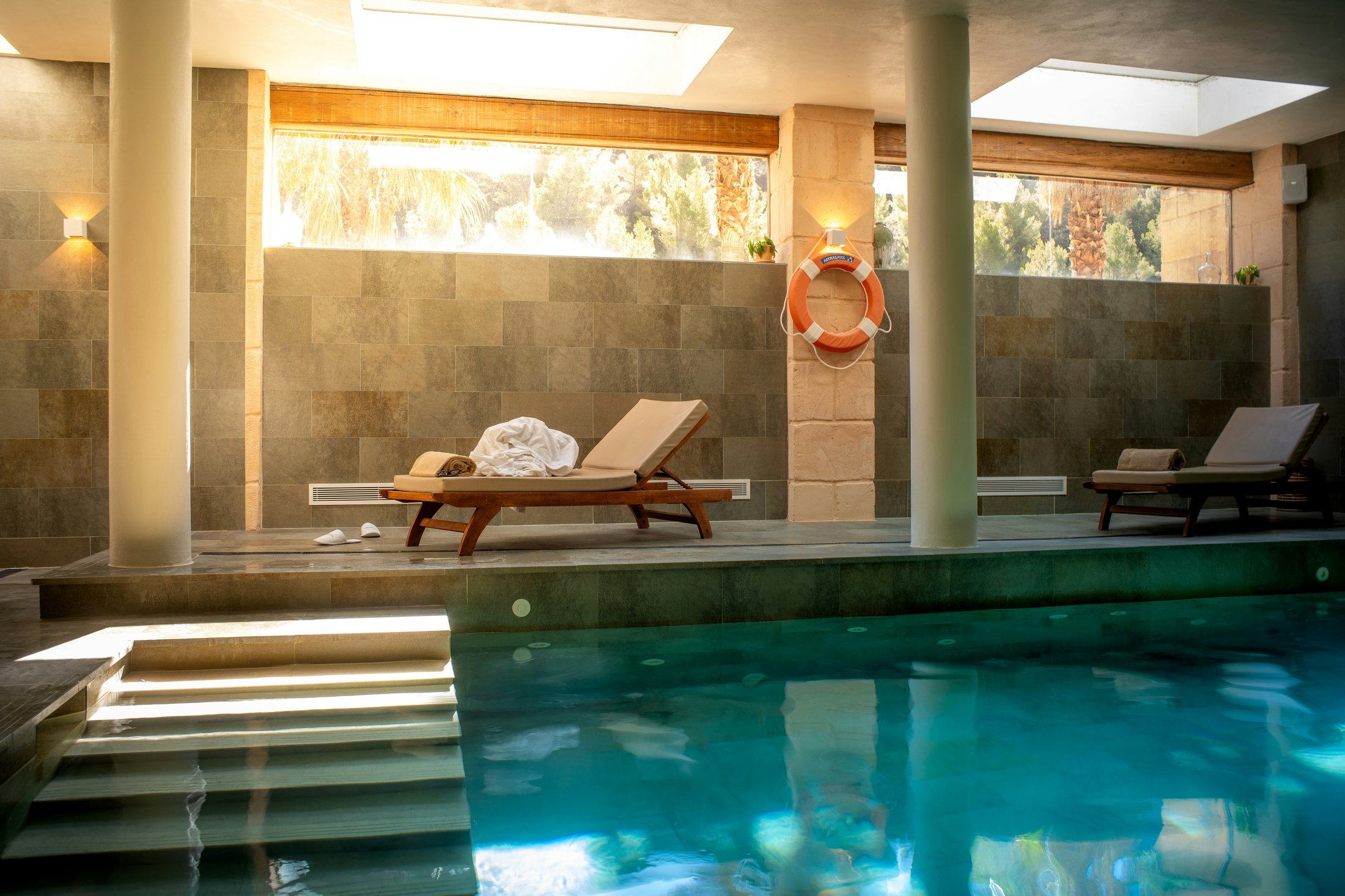
Perhaps the most important shift for hotel spas is moving away from a one-size-fits-all definition of wellness.
Not every guest wants a green juice or a strict detox menu. Some may want an electrolyte drink after a workout, others a herbal tea after a treatment, while another guest may simply want a good coffee and something sweet.
Modern wellness is increasingly about choice, balance and personalisation.
For luxury and upscale hotels, the opportunity is to create environments where healthier choices are easy and accessible without making guests feel restricted. Wellness should feel inviting rather than prescriptive.
Wellness as part of the wider hotel experience
For spa managers, rethinking wellness does not necessarily mean completely reinventing the spa. Often, the greatest opportunities lie in the details.
A signature hydration concept, a carefully considered food menu, a premium grab-and-go offer, sustainable sourcing and better positioning of amenities can collectively transform how guests experience a spa.
At TGP International, we believe the future of hotel wellness lies in looking beyond the traditional spa model and considering how F&B, hospitality, design and operations can work together to create a more holistic guest experience.
For luxury and upscale hotels, wellness is no longer simply a facility within the property. It is an extension of the hotel's identity, a reason for guests to stay longer and an opportunity to create meaningful experiences that extend well beyond the treatment room.
The question for spa managers is therefore not simply what wellness facilities do we offer? but how can every touchpoint contribute to a more considered, memorable and rewarding guest experience?
