-1.png?width=3330&height=698&name=TGP%20International%20Logo%20White%20(1)-1.png "TGP International logo")
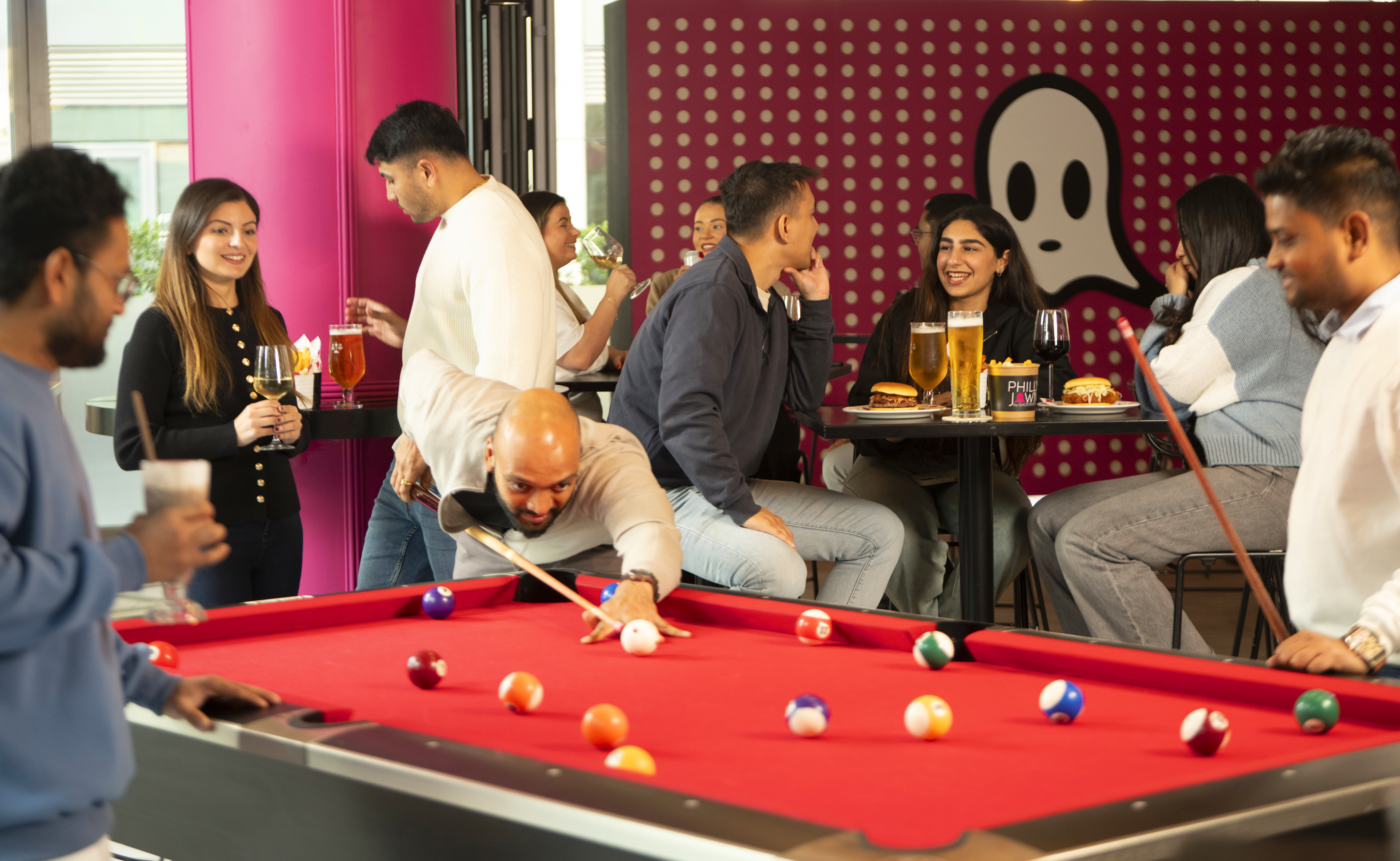
Casual dining in 2026 is facing a range of structural pressures, from evolving consumer expectations to sustained strain on operating models. Increasingly, these forces are not acting in isolation, but creating a more complex and, at times, contradictory landscape for the sector.
Restaurant prices have risen by over 20% in recent years, driven in part by sustained increases in input costs, from labour and energy to ingredients. While necessary, these increases have outpaced wage growth, changing how often people choose to dine out and raising expectations around what constitutes value.
In parallel, continued cost pressure is forcing operators to reassess how their offer is structured, priced and delivered, accelerating a broader recalibration of the category. This is not being felt evenly, with the market showing signs of polarisation as more generic, middle-ground propositions come under pressure, while clearly positioned concepts at either end of the spectrum prove more resilient.
This article explores some of the defining trends shaping the sector this year, from more clearly defined propositions and sharper menu strategies to a stronger focus on occasion and a more considered approach to the overall dining experience.
Explore TGP International’s F&B Strategy & Management Services
Few Visits, Higher Expectations
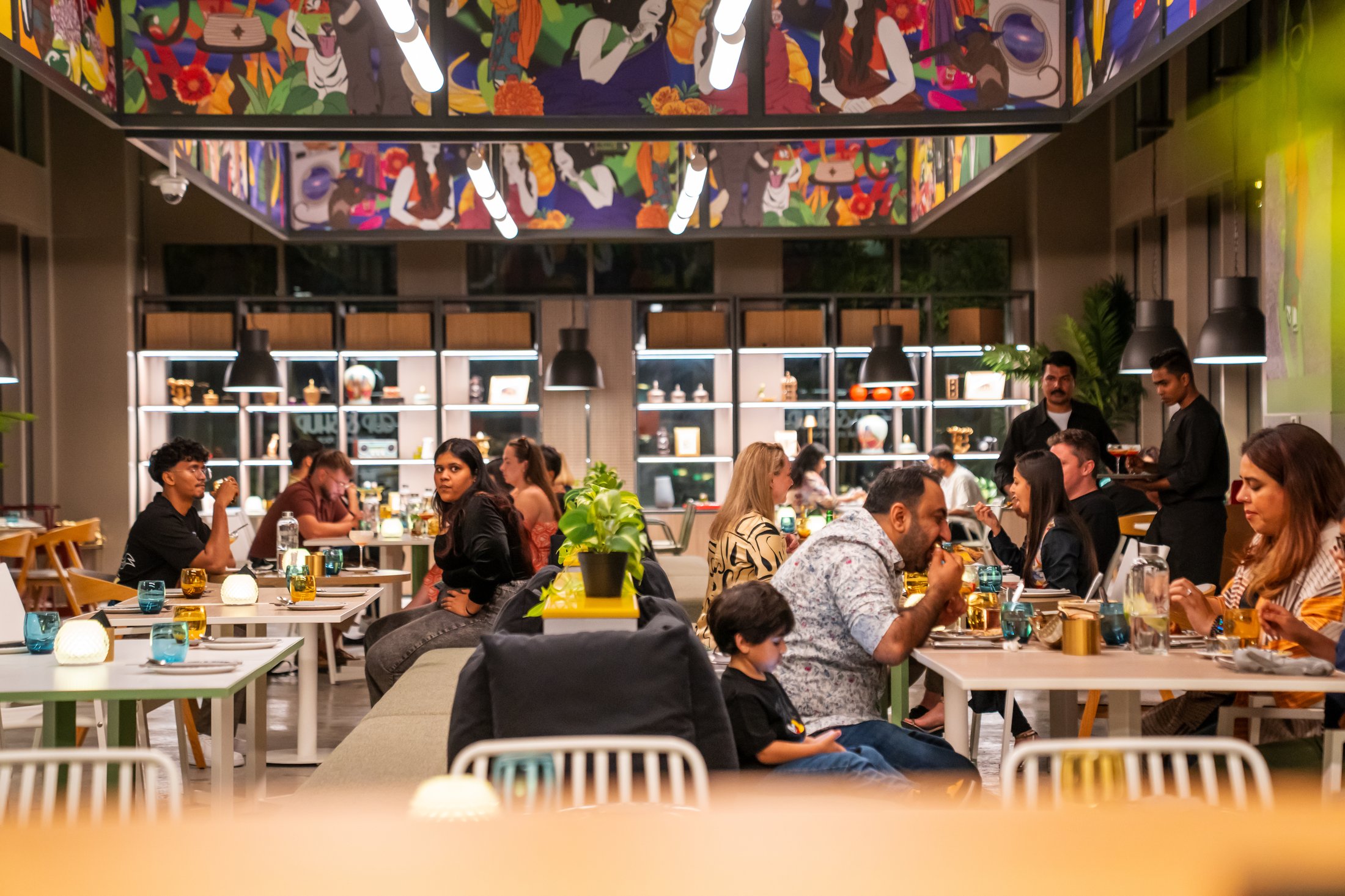
Consumers are dining out less often, but with greater intention. Research indicates that a significant proportion of those planning to reduce restaurant spending are cutting back on both visit frequency and spend per occasion, reinforcing a broader shift away from habitual dining.
This shift is significant. Casual dining is no longer competing on convenience alone, but on whether the experience justifies the spend. With fewer visits overall, each occasion carries more weight, placing increased pressure on operators to deliver clarity of proposition and consistency in execution.
In response, many are rethinking how value is created across the guest journey, from menu structure and pricing to pacing, dwell time and overall engagement, with a growing emphasis on maximising the value of each visit rather than relying on repeat frequency alone.
Industry Takeaway
With fewer visits to rely on, operators need to ensure each occasion feels considered, consistent and worth the spend. This starts with clarity, from what the concept stands for to how the menu is structured and priced, and how the experience is delivered from arrival through to departure.
Rather than focusing solely on increasing spend per visit, the priority should be on strengthening the overall proposition, ensuring it meets expectations and gives guests a clear reason to return. Where appropriate, this can be supported by elements that encourage longer stays, but only where they feel natural to the concept and occasion.
Read Our Blog Casual Dining Vs. Fine Dining: An Interior Design Perspective with Florentina
Rethinking Value
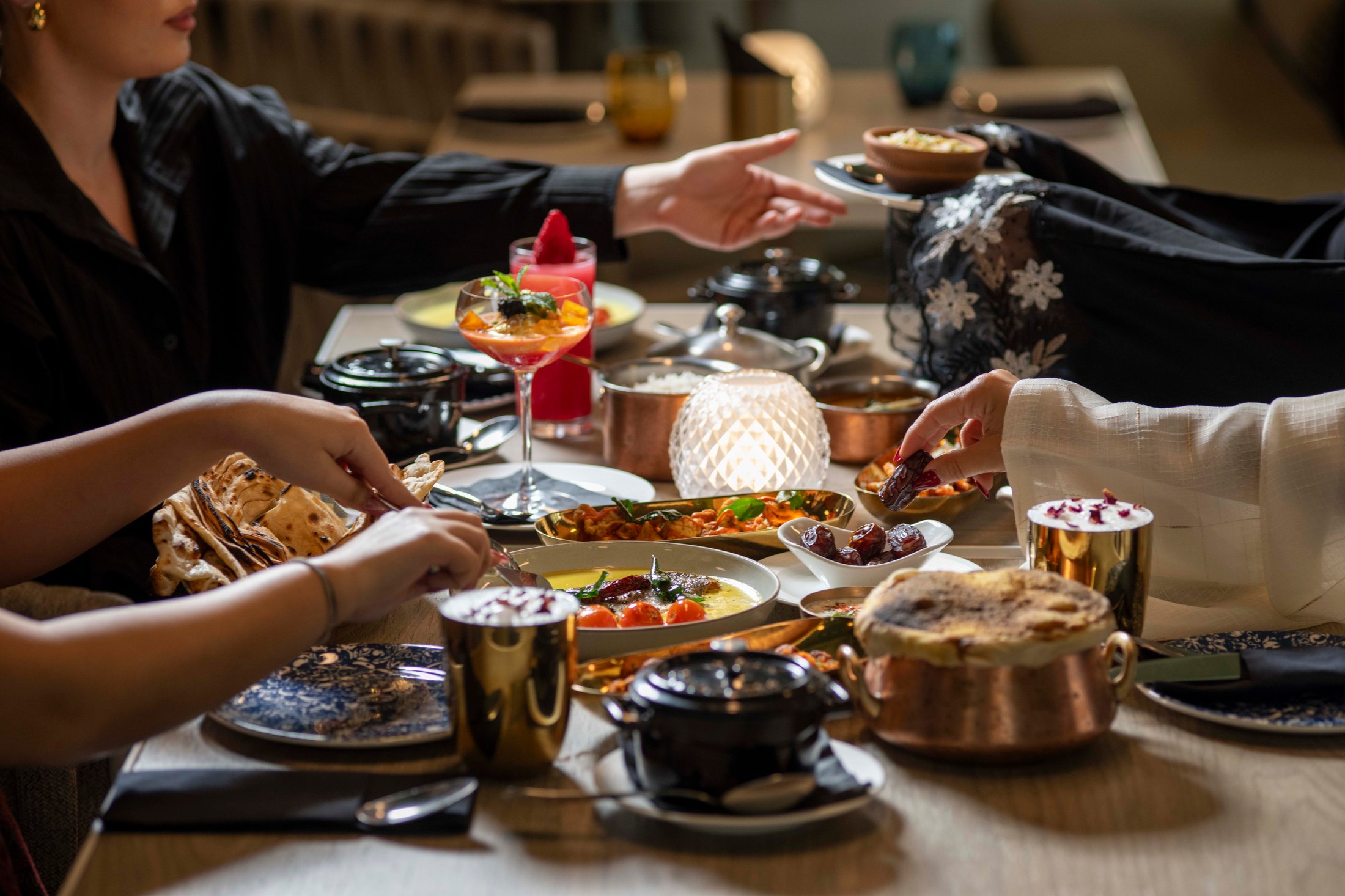
Value remains a central consideration in 2026, but it is no longer defined by price alone. As dining out becomes more selective, guests are placing greater scrutiny on what they receive in return, assessing not just the product, but the full experience around it.
In this context, value is increasingly determined by the strength and clarity of the concept itself. It is the concept that sets expectations, shapes perception and provides the framework through which every element, from menu and pricing to service and setting, is understood.
Operators that are performing well are those where this alignment is clear. Food quality, portioning, menu structure, service style and atmosphere are not treated as separate decisions, but as connected parts of a coherent proposition. When this is achieved, pricing feels justified, not because it is low, but because it is consistent with what has been promised.
Rather than relying on discounting or volume, value is being redefined through how tightly a concept is articulated and how consistently it is delivered, ensuring that each element reinforces a clear and compelling reason to visit.
Industry Takeaway
Use the concept as the anchor for how value is built and communicated. Before adjusting pricing or adding new elements, ensure there is clarity around what the concept stands for and how this translates into the guest experience.
Review menus, pricing and service through this lens, ensuring each decision supports the overall proposition rather than adding complexity. A well-defined concept should make choices feel intuitive, from how a menu is structured to how a space is experienced.
Focus on consistency in delivery, as this is where perceived value is either reinforced or undermined. Where appropriate, use menu design and brand communication to highlight key strengths, but avoid compensating for a lack of clarity through discounting or overextension of the offer.
Experience as Core to the Product
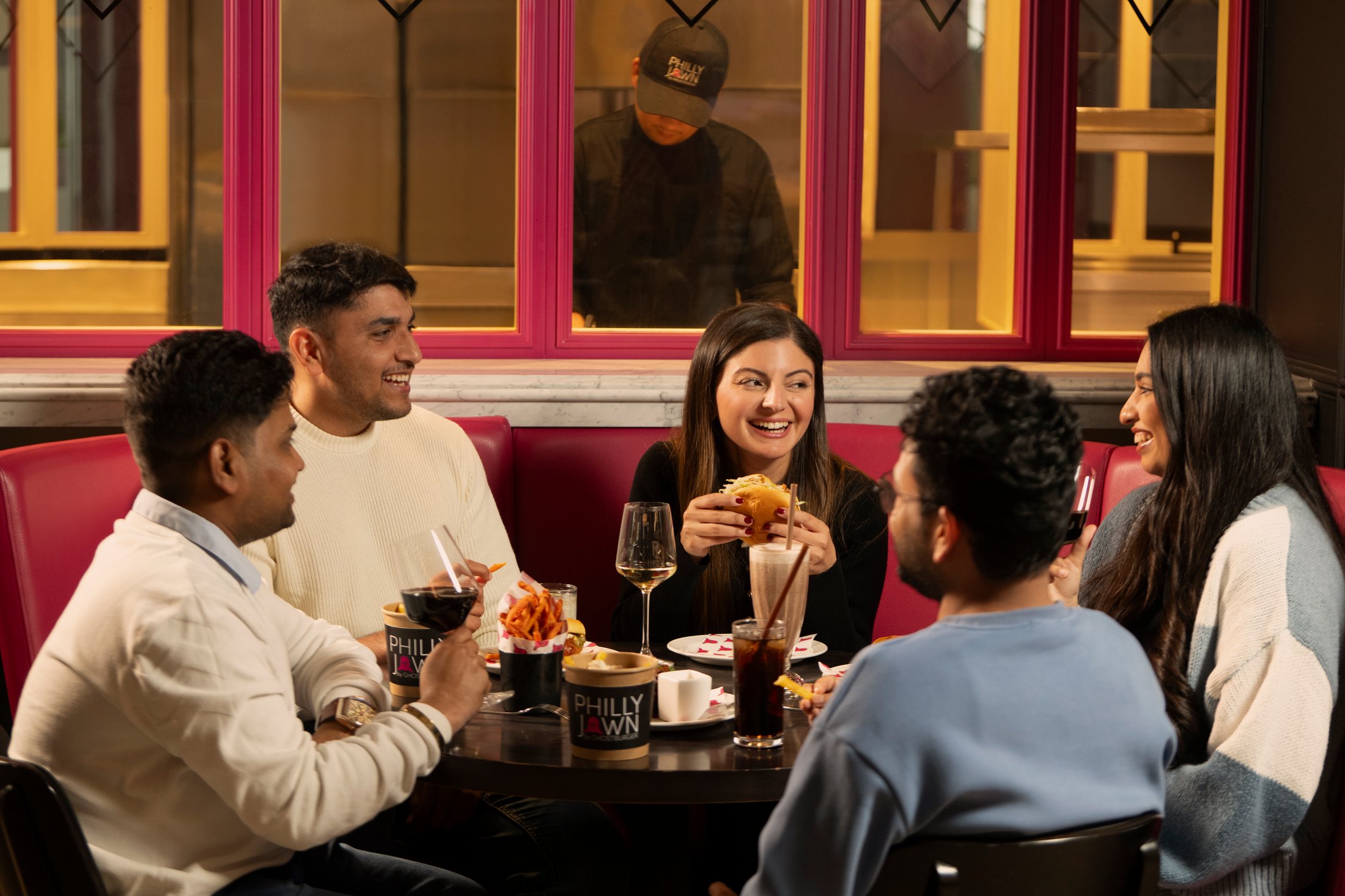
Experience sits at the centre of casual dining in 2026, shaping how concepts are perceived and how they perform. As expectations rise, dissatisfaction is increasingly linked to gaps in execution, from food quality and portion perception through to service and the surrounding environment.
At the same time, formats that place experience at the heart of the proposition continue to gain traction. The growth of competitive socialising and other interactive concepts reflects a wider demand for environments that encourage participation, group engagement and longer, more involved visits.
Operators gaining traction are those deliberately shaping the guest experience as part of the core concept. This can take different forms, from interactive formats such as competitive socialising, where activity and entertainment are central, through to more traditional settings where experience is defined by how service, pacing and environment are managed.
In these cases, elements such as layout, lighting, acoustics, table formats and service style are carefully considered to influence how guests move through the space, how long they stay and how they engage with the offer. The focus is not on adding layers, but on ensuring that each element works together to support a clear and cohesive experience.
As expectations continue to rise, experience is becoming a baseline requirement, with performance increasingly determined by how clearly it is defined and how consistently it is delivered in practice.
Industry takeaway
Design the guest experience as part of the concept from the outset, using it to shape how the space, service and overall journey function together.
Assess how each element performs in practice, from layout and lighting to service interactions and pacing, ensuring they support the intended use of the space rather than competing for attention.
Introduce interactive or social elements where they strengthen the concept, not as standalone features. Focus on clarity and consistency in delivery, as loosely defined or generic environments risk becoming interchangeable.
Read More About Wellness Travel in 2026
Clarity Over Variety
As concepts become more clearly defined and experience is treated as a core product, the menu plays a central role in translating this into a commercially viable offer. It shapes how a concept is understood, how guests navigate the experience and how value is ultimately perceived.
Across the sector, there is a clear move towards more focused, disciplined menus. Operators are refining their offers to highlight core strengths, improve consistency and maintain tighter control over costs. This results in menus that are easier to execute, easier to understand and more closely aligned with the concept.
This approach is also reinforcing a broader polarisation across the market. Concepts built around broad, middle-ground positioning are coming under pressure, as they struggle to establish a clear point of view or justify their pricing. In contrast, operators with a defined identity are using their menus to consistently express that positioning, whether through quality, format or occasion.
This dynamic is increasingly evident in hotel F&B. Traditional all-day dining formats and extensive menus are being reconsidered in favour of more focused, concept-led offers that can compete more directly with local restaurants. With guests more willing to dine outside of the property, hotel operators are placing greater emphasis on relevance, clarity and quality to remain competitive within the wider market.
As a result, hotel F&B is being approached with a more commercial and outward-looking mindset, with operators adopting practices more commonly associated with independent restaurants. Greater attention is being placed on concept definition, menu curation and local market positioning, ensuring the offer resonates beyond the in-house guest.
Performance is increasingly linked to how clearly the menu reflects the concept. Stronger operators ensure that every item, and how it is presented, contributes to a coherent and credible offer.
Industry Takeaway
Develop menus as a direct extension of the concept. Structure, pricing and language should work together to reinforce the intended positioning and make the offer easy to understand.
Maintain discipline in menu composition. Regularly review performance to remove items that dilute the proposition or add unnecessary complexity, ensuring the remaining offer is both commercially effective and consistently delivered.
In hotel environments, apply the same level of rigour as an independent operator. Menus should be designed to compete within the local market, not just serve the in-house guest, with a clear point of view and relevance to surrounding demand.
Read About Restaurant Design Trends
Format Innovation and Flexibility
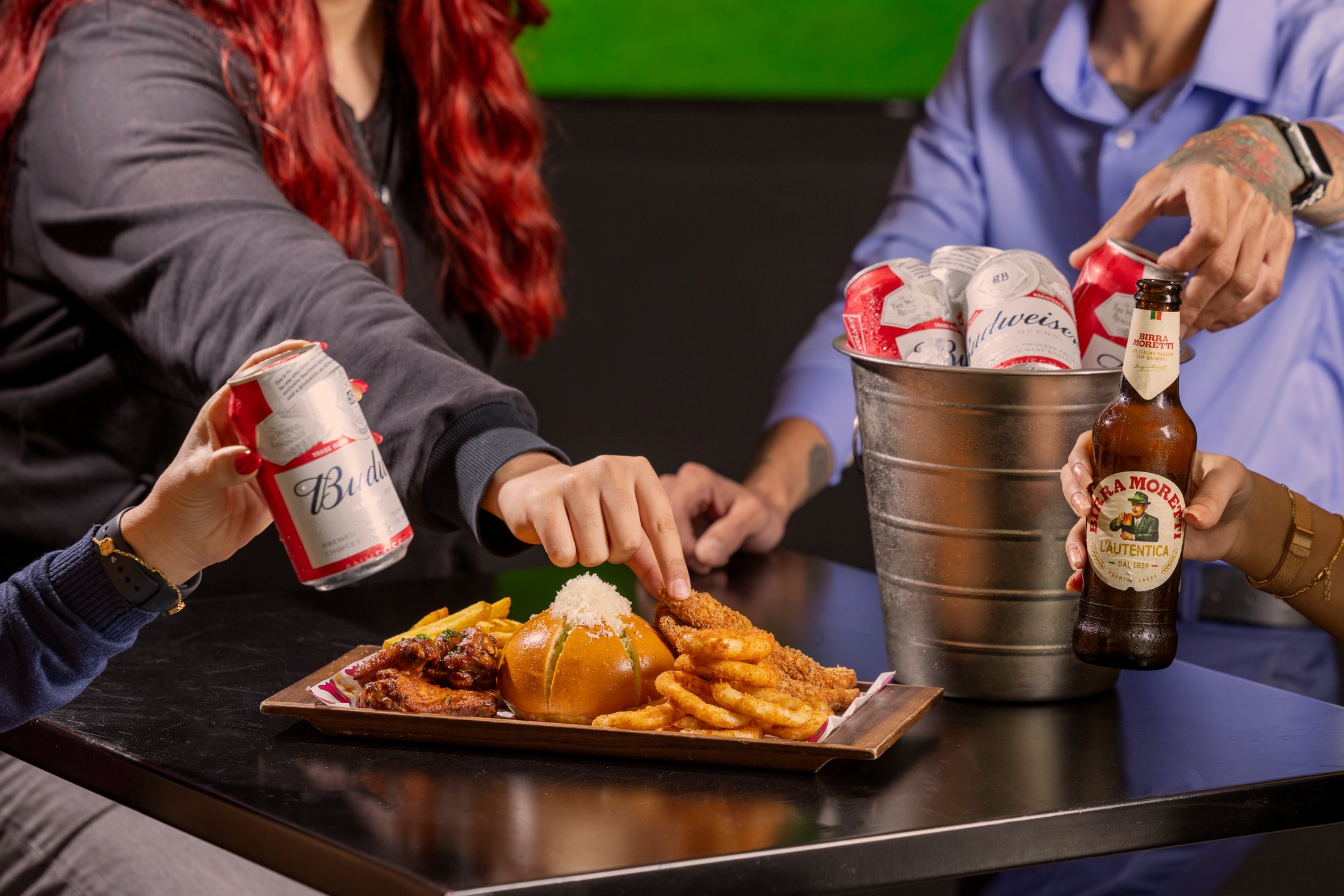
Traditional casual dining formats are evolving rapidly. Off-premise consumption now accounts for a significant share of the market, with nearly 75% of restaurant occasions taking place outside the dining room. At the same time, around 65% of consumers say they prefer to collect orders rather than pay for delivery, reflecting growing sensitivity to added costs.
For operators, the economics reinforce this shift. Pickup orders can deliver 20–35% higher margins than delivery, creating a clear incentive to drive direct and collection-based channels. In response, venues are being reconfigured to include dedicated pickup points, grab-and-go stations and more efficient layouts, alongside stronger integration with digital ordering platforms.
Alongside this, new formats are gaining traction. Hybrid dining, elevated counter service and, increasingly, food halls and clustered F&B models are emerging as more resilient alternatives. By bringing multiple brands together within a single destination, these concepts enable shared infrastructure, greater flexibility and the ability to serve dine-in, pickup and delivery demand simultaneously, while giving consumers more choice within a single visit.
Industry Takeaway
Audit how your current setup handles collection and takeaway. Look at where congestion occurs, how orders are fulfilled and whether the process is clear to guests.
Introduce simple improvements, such as a dedicated pickup area, clearer order tracking or adjusted staffing during peak collection times.
Ensure digital ordering integrates smoothly with front-of-house operations, so it supports service rather than creating additional pressure on the team.
Shared Plates and Dining Formats
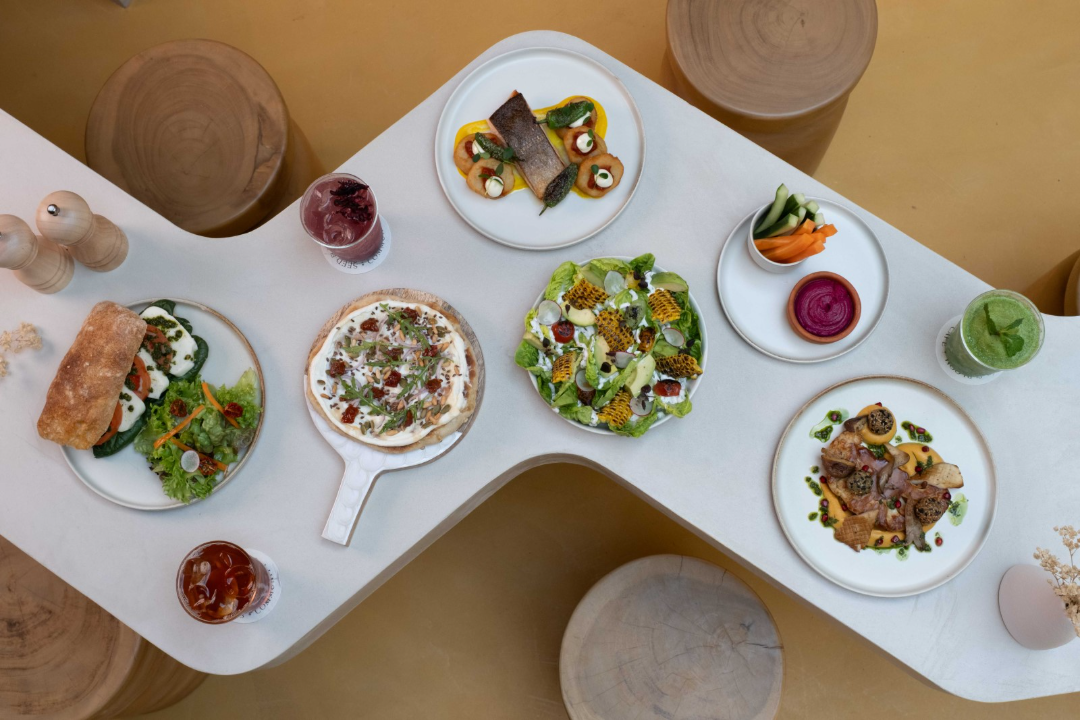
Small plates and shared formats are becoming a defining feature of casual dining, reflecting a broader shift in how meals are structured and experienced. Rather than ordering individually, guests are increasingly opting for multiple dishes to share, creating more social, informal and varied dining occasions.
This shift is closely tied to changing expectations around both experience and spend. Sharing allows for greater variety and a sense of occasion, while also giving guests more control over how much they order. It supports a more flexible approach to dining, where meals can be scaled up or down depending on the group, the setting and the budget.
In response, operators are designing menus around dishes intended to be ordered collectively. Smaller plates, side-led menus and formats built around combining items allow guests to shape their own experience, whether that is a quick visit or a longer, more social occasion.
For operators, this approach changes how value is delivered and captured. Spend is distributed across multiple dishes, while the format encourages longer stays and greater interaction. When aligned with the concept, shared dining formats can strengthen both the experience and the commercial model, supporting a wider range of occasions without increasing complexity.
Industry Takeaway
Structure menus with sharing in mind from the outset. This includes portion sizing, pricing and dish composition that work when ordered collectively, rather than simply reducing the size of existing main courses.
Guide how guests order. Use menu layout, groupings and server prompts to encourage combinations of dishes, helping to create a natural flow to the meal without overcomplicating the decision process.
Ensure the kitchen can execute consistently at volume. Shared formats often increase the number of dishes per table, so workflows, timing and plating need to be designed to maintain quality and pace of service.
Execution as A Point of Difference
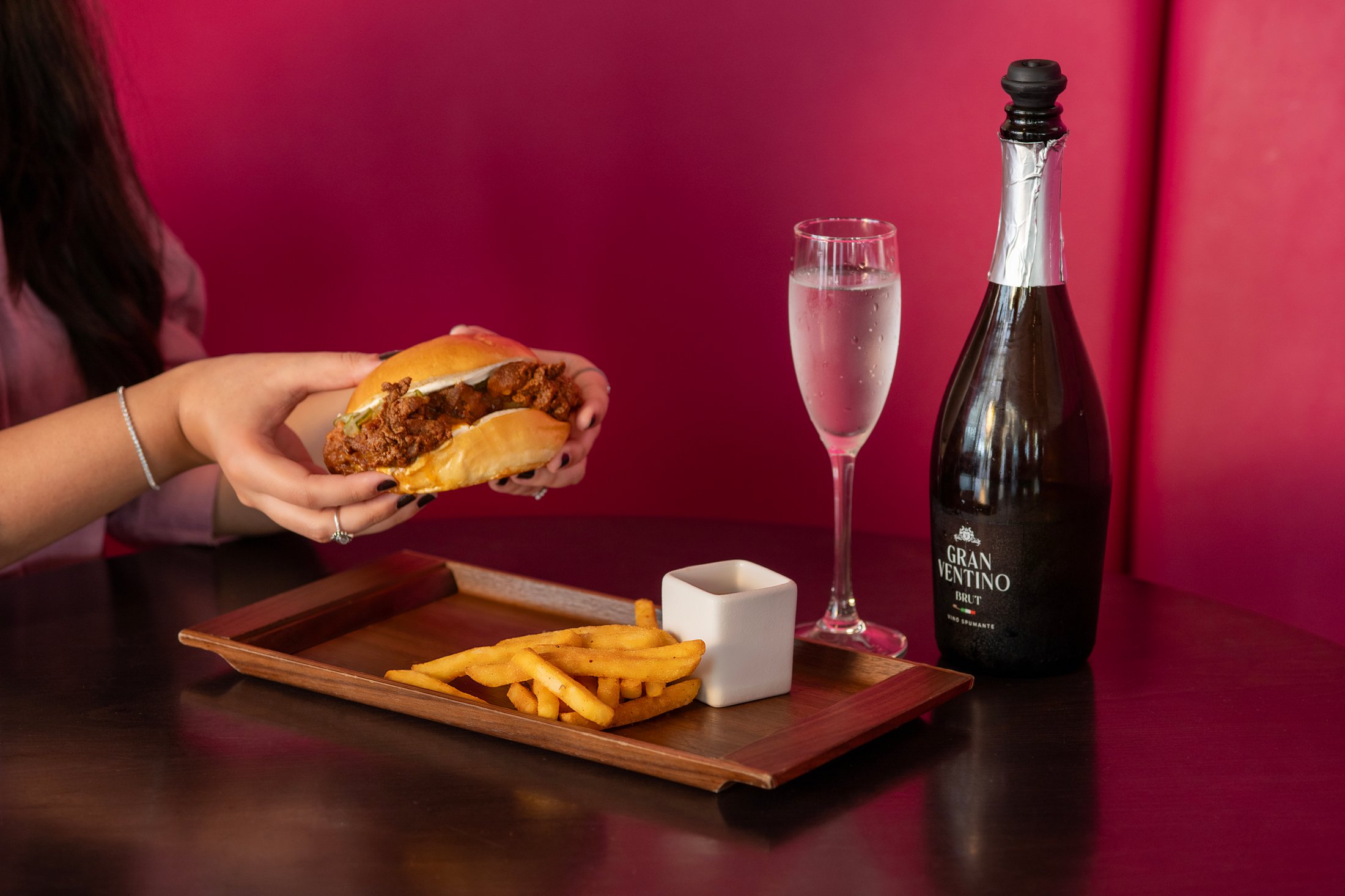
As concepts become more defined and expectations around experience continue to rise, the ability to deliver consistently in practice is becoming a key point of difference. The gap between what a concept promises and what it can reliably execute is increasingly where brands succeed or fall short.
This is placing greater pressure on how concepts are designed from the outset. Menus, service models and formats are being assessed not only on their appeal, but on whether they can be delivered consistently under real service conditions. Concepts that are overextended or operationally complex are more exposed, particularly as labour and input costs continue to rise.
In response, operators are placing greater emphasis on operational clarity. Kitchen layouts are being simplified, menus are aligned more closely with capability and staffing models are structured to reflect actual patterns of demand. The aim is to create an experience that feels effortless to the guest, where service flows naturally and friction is minimised, supported by well-coordinated systems behind the scenes.
Technology continues to play a role, particularly in areas such as ordering, kitchen management and data visibility. Its effectiveness, however, depends on how well it is integrated. Stronger operators are adopting tools that support coordination and accuracy, ensuring they enhance performance without adding unnecessary complexity.
Ultimately, performance is increasingly linked to how well a concept can be delivered day in, day out. The strongest operators are those who design for execution from the outset, creating what is often described as “invisible service,” where the operational complexity is absorbed behind the scenes, allowing the guest experience to feel seamless and intuitive.
Industry Takeaway
Test the concept against real operating conditions before scaling. Ensure that menu complexity, service style and kitchen capability are aligned, and that the team can deliver consistently during peak periods.
Simplify where needed. Removing friction from workflows, reducing unnecessary steps and aligning the menu with operational capacity will improve both consistency and cost control.
Use technology to support execution, not define it. Focus on tools that improve coordination, accuracy and visibility, and ensure they integrate smoothly into daily operations.
Read More About Wellness, Hospitality & F&B Trends
Turning Trends into Action
For operators, the opportunity lies in designing concepts where experience, commercial performance and operational delivery are aligned from the outset. This requires clarity, in how the concept is defined, how the menu is structured and how the experience is delivered in practice.
Menus, formats and service models need to work together as part of a coherent system. Concepts that are tightly defined and consistently executed are better placed to navigate rising costs, shifting demand and increasing competition.
Casual dining in 2026 is shaped by how effectively these elements come together. Value is judged across the full experience, occasions are more selective and competition extends well beyond the traditional category.
The strongest operators recognise that demand can no longer be assumed. Each visit is the result of a clear decision, based on relevance, consistency and trust built over time.
